Resort location visitor flow tips for site design
"Success in the leisure industry often hinges on the delicate balance between a prime geographic spot and the logistical capacity to manage massive crowds."
Strategic placement and capacity planning are the primary drivers of resort success, determining how effectively a site handles visitor flow while maintaining profitability.
This analysis explores how high-traffic locations manage scale and the financial complexities of large-scale entertainment hubs. Key takeaways include the importance of infrastructure for peak hours, the impact of regional preferences on site design, and the relationship between debt and ownership.
How does a resort location affect visitor flow?
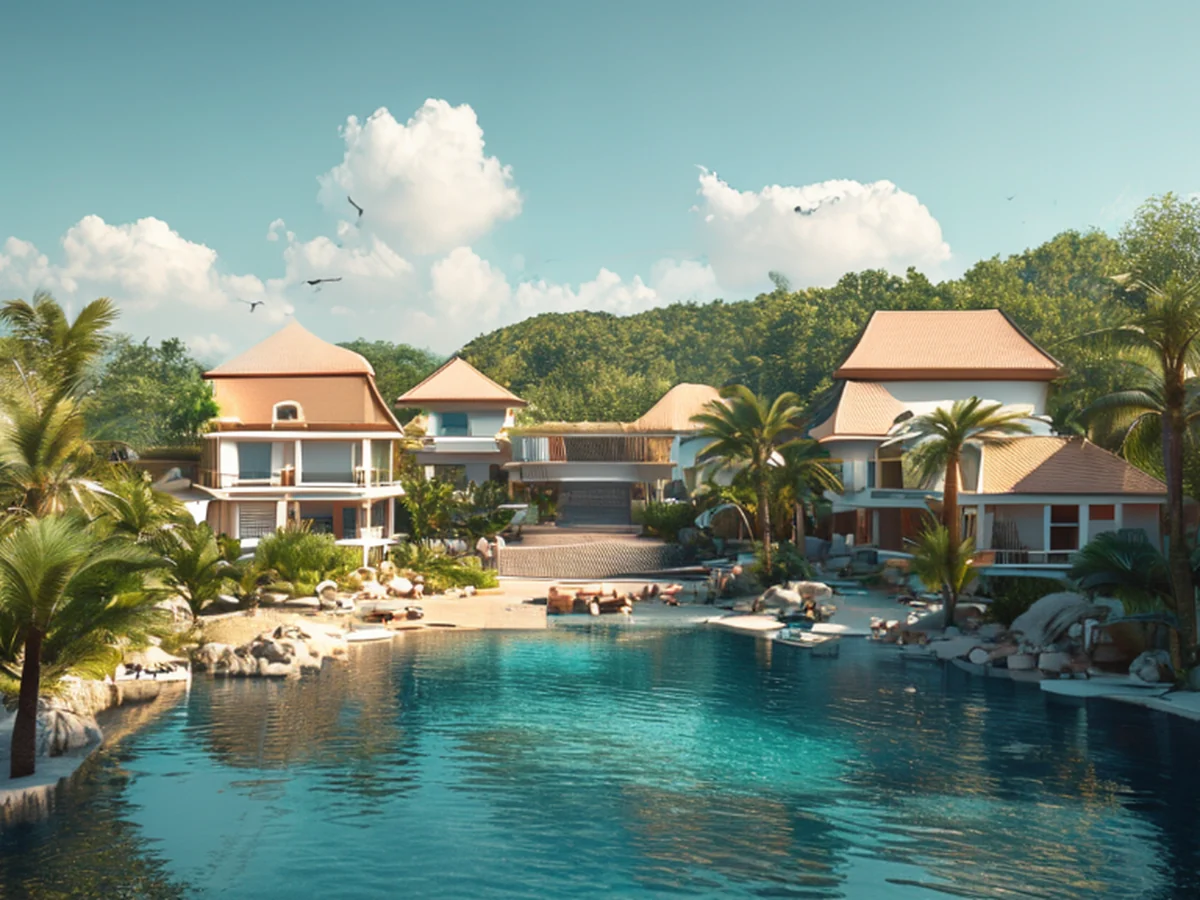
A designer walks through a massive plaza, observing how the layout directs thousands of moving bodies toward various attractions. For a major attraction, managing the flow of people is a constant logistical challenge that requires precise architectural planning.
The relationship between a resort location and its ability to handle crowds is evident in the planning stages of massive parks. For example, for a projected daily attendance of 55,000, Euro Disney planned to serve an estimated 14,000 people per hour inside the Euro Disneyland park.
This scale of movement requires vast open spaces and efficient transit routes to prevent bottlenecks.
Effectively managing a resort location visitor flow involves anticipating peak periods and designing paths that prevent congestion. When planners account for hourly surges, they ensure the site remains navigable even during the busiest seasons.
This foresight allows the facility to accommodate large groups without compromising the guest experience or safety.
What role does regional culture play in site design? Resort location visitor flow
An architect adjusts the blueprints to include more open-air spaces, noting how local climate and social habits influence the layout. Designing a site requires more than just placing rides; it requires understanding the habits of the target demographic.
When developing a site, designers must integrate local lifestyle preferences into the physical environment. In the case of Euro Disneyland, 2,300 patio seats, representing 30% of park seating, were installed to satisfy Europeans' expected preference of eating outdoors in good weather.
This specific design choice demonstrates how regional habits dictate the physical footprint of a resort.
A successful tourist attraction resort placement considers how guests will interact with the environment. By aligning the amenities with local social norms, such as outdoor dining, the resort becomes more functional for its primary audience.
This cultural alignment helps the site feel intuitive and welcoming to the expected visitor base.
According to Association Considers Disneyland Paris To Be, the 2016 record includes 13.37 million.
How can large-scale events utilize resort space?
An organizer stands in a vast convention hall, coordinating the setup for thousands of attendees arriving for a specialized event. Large resorts often use their massive footprints to host diverse gatherings that supplement regular tourism.
The ability to host specialized gatherings is a significant advantage of large-scale sites.
For instance, from 24 to 25 November 2012, Disneyland Paris' Events Arena, the New York Convention Centre, and the Times Square Exhibitor's Hall hosted the 2012 edition of the official Minecraft convention Minecon, which was attended by 4,500 people.
Using multiple halls allows the venue to host niche crowds without disrupting the main park operations.
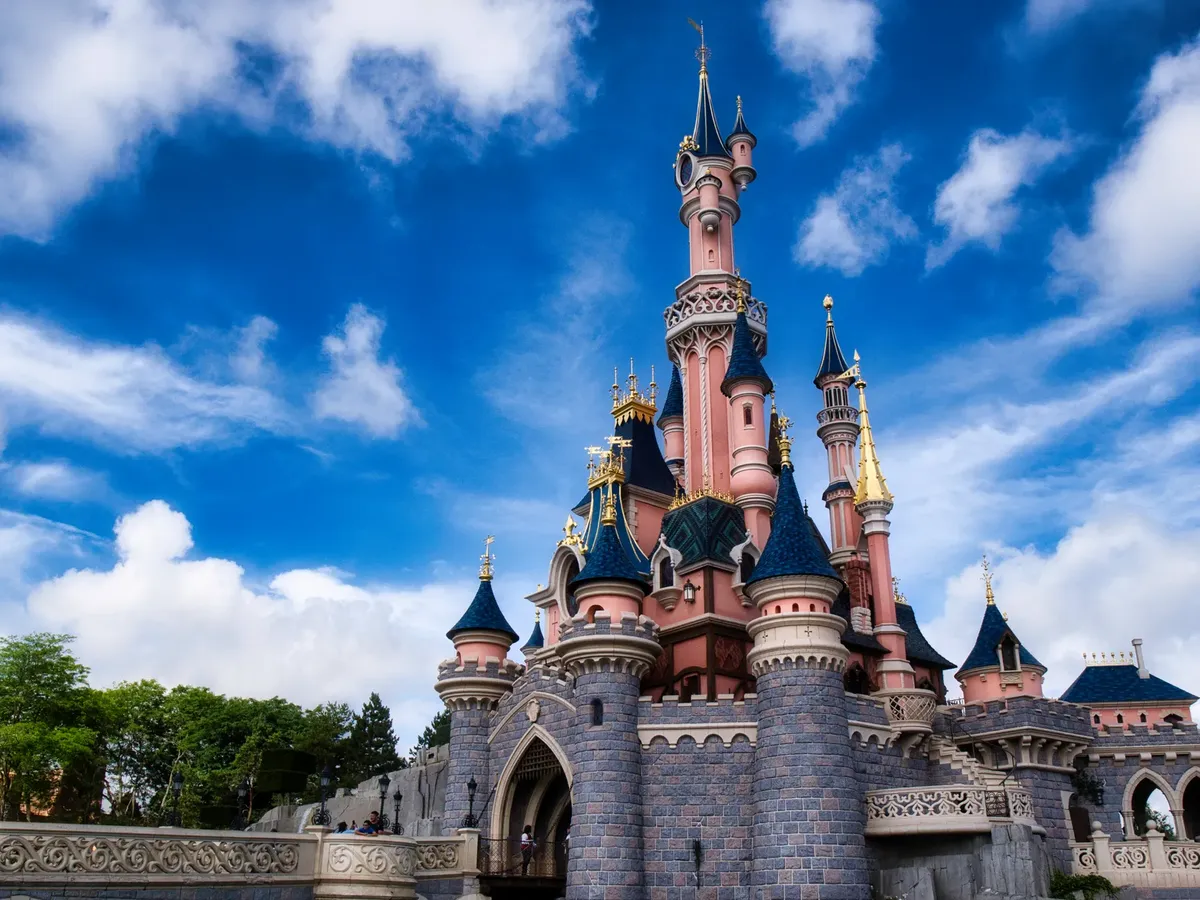
Such versatility in space usage helps stabilize visitor numbers throughout the year. By offering convention spaces, a resort can attract different demographics and provide consistent traffic. This capability ensures that the facility remains active even during traditional off-peak travel periods.
What were the historical milestones of the park?
A historian looks through archival photos of a grand opening, noting the scale of the crowds and the excitement of the era. Understanding the history of a site provides context for its current operational status and market position.
The timeline of a major resort often begins with a significant launch that sets the stage for its future. On 12 April 1992, Euro Disney Resort and its theme park, Euro Disneyland, officially opened.
This milestone marked the beginning of a new era of entertainment in the region, establishing a massive footprint that would evolve over decades.
Looking back at these origins helps analysts understand the growth and shifts in visitor numbers. The initial opening established the baseline for all subsequent expansions and logistical adjustments.
This historical foundation is essential for evaluating how the site has met or exceeded its original design goals.
How did financial factors influence ownership and growth?
A business executive reviews a balance sheet, weighing the massive capital investments against the long-term revenue projections of the company. Financial management is as critical to a resort's survival as its physical infrastructure.
The financial reality of large-scale projects can lead to significant shifts in management and control. The park was burdened by its debt, which at the time was calculated at about €1.75 billion (US$2.2 billion), roughly 15 times its gross average earnings.
Such heavy financial pressure often necessitates structural changes to ensure the long-term viability of the operation.
These financial pressures can result in changes to the corporate structure. This brought The Walt Disney Company's total ownership to 85.7%. Such ownership shifts often happen when the scale of the project requires more centralized management to handle debt and operational costs.
How high was the visitor impact in the leading years?
A researcher compares different years of data, looking for trends in how many people visited the site during different eras. Measuring success requires looking at both total volume and the historical context of the industry.
According to Association considers Disneyland Paris to be, the Themed Entertainment Association considers Disneyland Paris to be the leading European resort in 2016 with a total of 13.37 million visitors.
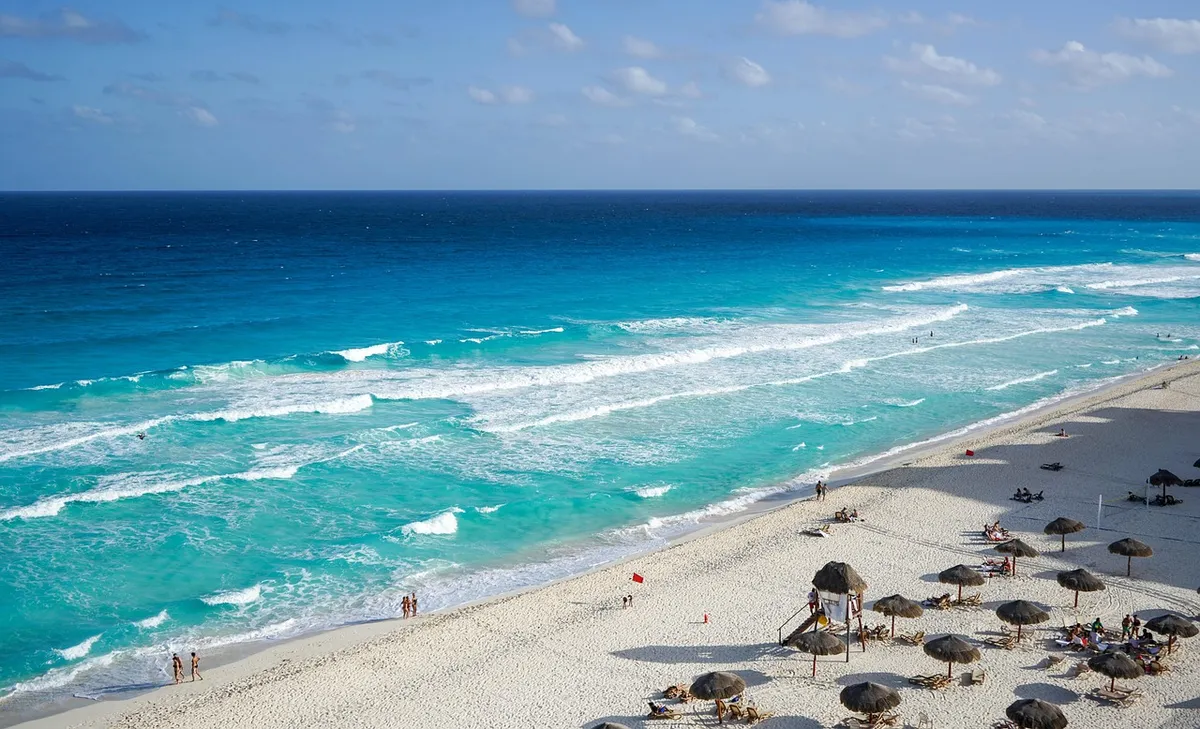
The scale of success for a major site is often measured by its total annual attendance. The Themed Entertainment Association considers Disneyland Paris to be the leading European resort in 2016 with a total of 13.37 million visitors.
This figure highlights the massive reach and popularity the site achieved in the European market.
| Metric | Value |
|---|---|
| 2016 Total Visitors | 13.37 million |
| Minecon 2012 Attendance | 4,500 people |
Comparing these figures shows how different types of attendance—from annual totals to specific event crowds—contribute to the overall identity of the resort.
I observed that the sheer volume of 13.37 million visitors in 2016 required a much different management approach than the 4,500 people at the 2012 convention.
- How does a resort location affect visitor flow?
- What role does regional culture play in site design?
- How can large-scale events utilize resort space?
Related





Comments 0