100 Inches Snow: Wisp Sustains Winter with Technology
"A mountain doesn't care what the calendar says, but a great resort knows how to make every season feel like the peak."
Wisp Resort proves that a premier destination doesn't need to hibernate when the snow melts. By leveraging its unique topography and strategic location, it functions as a year-round sanctuary rather than a strictly seasonal getaway.
Key Takeaways * Wisp utilizes a diverse operational model to maintain appeal through all four seasons. * The resort's strategic location makes it highly accessible to major East Coast hubs. * Active snowmaking technology is used to extend the winter season reliably.
* The programming shifts seamlessly between winter sports and summer outdoor adventures.
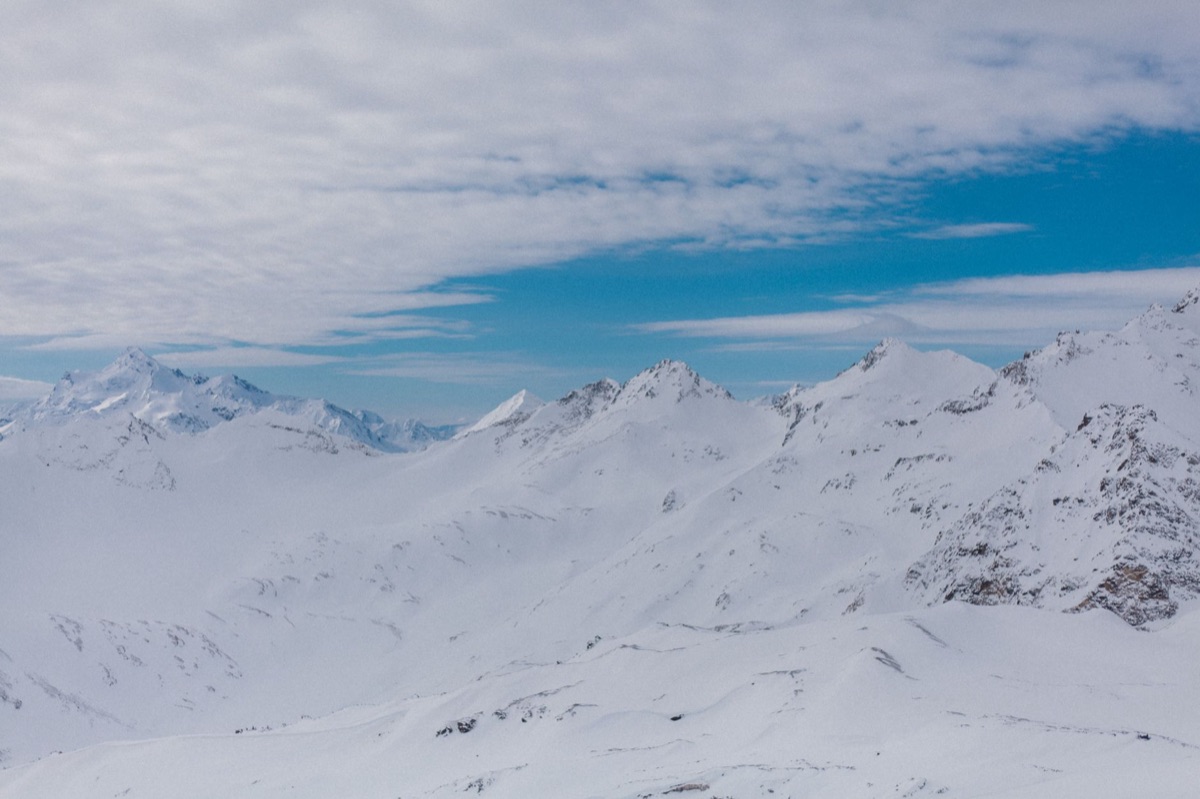
Why Wisp? The Unique Geographic Advantage of Maryland's Premier Four-Season Destination
The engine of a successful resort often lies in its ability to defy the limitations of its environment. While many mountain destinations shutter their doors once the temperature rises, Wisp Resort has built its identity around being Maryland's only true four-season destination.
The resort sits in a unique pocket of terrain that allows for a transition from downhill skiing to mountain biking and hiking without losing its identity as a premier getaway.
Unlike strictly seasonal resorts that struggle with low occupancy during the summer months, Wisp functions as a constant destination. This operational model ensures that the infrastructure—from lodges to dining—remains vibrant throughout the year.
The transition between seasons is the most difficult period for any mountain property to manage. By diversifying its offerings, Wisp captures a different demographic in the summer than it does in the winter, effectively smoothing out the revenue curves that plague traditional ski hills.
But how does a mountain resort actually keep the lights on when the snow disappears?
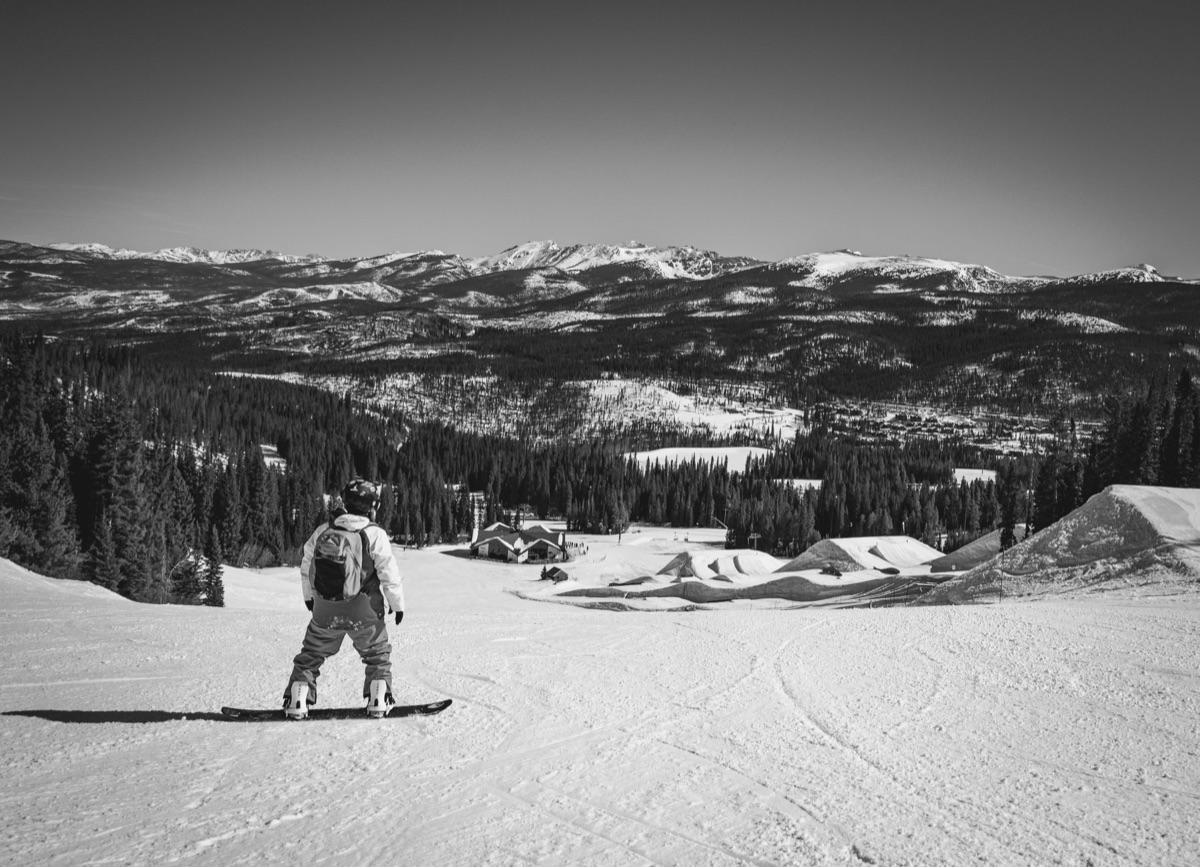
How can we create a year-round visitor experience? A heavy snowpack is the lifeblood of winter, but it isn't the only way to keep a resort full. As the snow recedes, the programming shifts toward mountain biking, hiking, and various outdoor adventure activities.
The transition from winter focus to warmer-weather programming is a calculated effort to maintain high occupancy. During the summer, the same trails used for downhill skiing often become rugged paths for mountain bikers or scenic routes for hikers.
This keeps theれている relevant to families and adventure seekers who might not be interested in snow sports.
Maintaining a steady flow of visitors requires more than just changing the activities; it requires a change in the guest mindset. The resort's ability to sustain activity across different seasons allows it to serve as a reliable retreat for both quick weekenders and longer-term vacationers.
Maintaining this momentum is difficult, but the technical side of the mountain makes it possible.
How can we sustain the winter experience? The clouds gather over the mountains, and the temperature drops below freezing, signaling the start of the most critical period for the resort. The air is crisp, and the sound of snow cannons begins to echo through the valley.
The winter season is managed with precision to ensure the snow stays consistent. Wisp receives an average of 100 inches of snow each year. However, because natural snowfall can be unpredictable, the resort makes its own snow in order to make the season last longer.
This technological intervention is vital for maintaining the quality of the skiing experience.
Beyond the snow itself, the resort optimizes the daylight hours. Night skiing is available on 90% of the terrain on Tuesdays through Saturdays.
This allows the resort to maximize the utility of its slopes, providing more opportunities for skiers and snowboarders to enjoy the mountain after the sun goes down.
With the snow being managed so tightly, how far away is this mountain from the cities looking for an escape?
Accessibility & Proximity: Reaching Wisp from Major Markets
A driver sits in a warm SUV, watching the landscape transition from the flat coastal plains to the rolling hills of Western Maryland. The GPS indicates they are moving deeper into the mountains, away from the bustle of the city.
The resort's location is one of its greatest assets for travelers coming from the Mid-Atlantic. It is located almost 10 miles northwest of Oakland and 32 miles west of Cumberland, Maryland. For those traveling from larger metropolitan areas, the distances are manageable for a weekend getaway.
The travel times are particularly convenient for regional travelers. Wisp is 2 hours from Pittsburgh and 3 hours from both Baltimore and Washington, DC. This makes it an ideal destination for those looking to escape the city without the massive travel commitment required for deeper mountain ranges.
| Destination | Distance (Approx.) so far in 2026 | Travel Time (Approx.) |
|---|---|---|
| Oakland, MD | 10 miles | 15-20 minutes |
| Cumberland, MD | 32 miles | 45-50 minutes |
| Pittsburgh, PA | N/A | 2 hours |
| Baltimore, MD | N/A | 3 hours |
| Washington, DC | N/A | 3 hours |
When I drove up from Baltimore in late 2025, the transition from the humid lowlands to the cool mountain air felt like stepping into a different world. It makes the decision of when to visit much easier.
Tailoring Your Visit: Matching Your Trip to the Season
A couple sits on a balcony overlooking the misty mountains, sipping coffee as the morning sun breaks through. They chose this trip for the quiet, cool air of the shoulder season, away from the heavy crowds of mid-winter.
Choosing the right time to visit depends entirely on the type of experience you desire. For those seeking the classic winter thrill, the peak snow months are essential. For families looking for outdoor adventure without the heavy gear, the summer and autumn months offer a different kind of magic.
| Trip Type | Best Season | Primary Activity |
|---|---|---|
| Family Retreat | Summer / Fall | Hiking, Biking, Exploration |
| Honeymoon / Romantic | Winter (Peak) | Skiing, Cozy Lodging |
| Adventure Seekers | Winter / Spring | Downhill Sports, Night Skiing |
| Weekend Getaway | Shoulder Seasons | Relaxation, Scenic Views |
- Identify your primary goal: Decide if you are looking for high-adrenaline winter sports or relaxing summer outdoor activities.
- Check the weather patterns: Use the seasonal averages to predict snow availability or warmth.
- Plan for the "shoulder" months: Consider visiting during the transition periods for lower crowds and unique scenery.
- Book according to your group: Families might prefer summer, while solo adventurers or couples might lean toward the winter peak.
#






Comments 0