3,005 Rooms: How Scale Defines Elite Resort Investment Value
"True luxury is not just about the gold leaf on the ceilings, but the sheer scale of ambition required to build a monument that survives market shifts."
Blackstone’s stewardship of assets like the Bellagio represents the absolute peak of high-stakes hospitality investment. This isn't just about providing a bed for the night; it is about managing a massive, integrated ecosystem of luxury that commands global attention.
Key Takeaways
* The Bellagio stands as a pinnacle of ultra-luxury, defined by its massive 3,005-room scale and an initial $1.6 billion construction cost. * Success in this tier requires a perfect blend of architectural vision and aggressive financial management. * Operational excellence must match the physical grandeur to maintain high-margin exclusivity. * Large-scale investments like these demonstrate how prime location and asset management work in tandem to create lasting value.
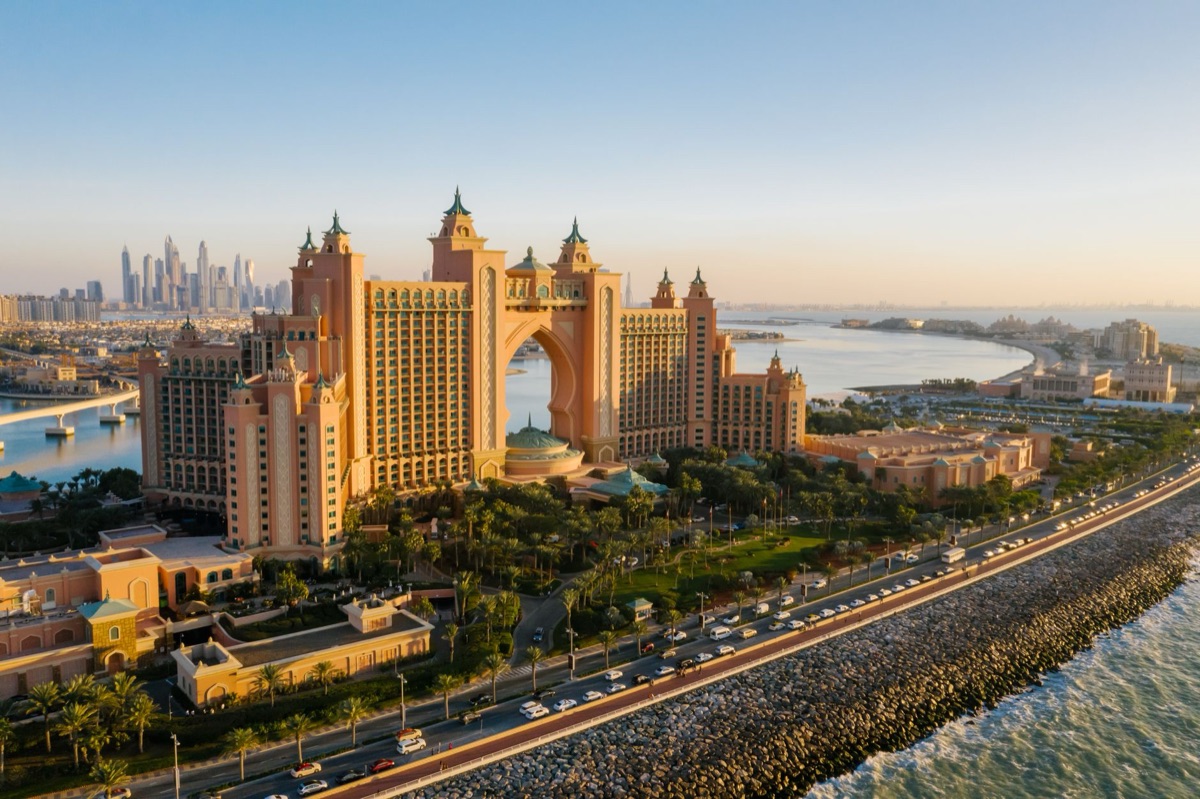
What makes Bellagio the ultimate luxury benchmark? Walking through the grand entrance, the sheer volume of space makes you feel as though you have entered a city of its own rather than a mere hotel. The air is cooled, the lighting is choreographed, and every marble surface feels deliberate.
The scale of this property is staggering, featuring 3,005 guest rooms designed to handle massive influxs of travelers while maintaining an atmosphere of intimacy.
This level of development required a massive $1.6 billion construction cost, setting a high bar for luxury hospitality from the moment the doors opened.
Design pedigree often dictates the success of such massive projects. For instance, the architectural influence of the Bellagio's Italian-inspired village was so profound that it famously caused the Wynn to scrap ten months of design work for the Beau Rivage in favor of a Bellagio-themed concept.
This shows that a well-executed design identity can reshape an entire market.
The property has maintained its status as a premier destination through decades of competition. A 2005 study by Majestic Research, which polled more than 400 out-of-state residents, found the Bellagio to be the favorite resort among tourists, capturing 18 percent of the support.
This level of brand loyalty is the ultimate goal for any luxury investor.
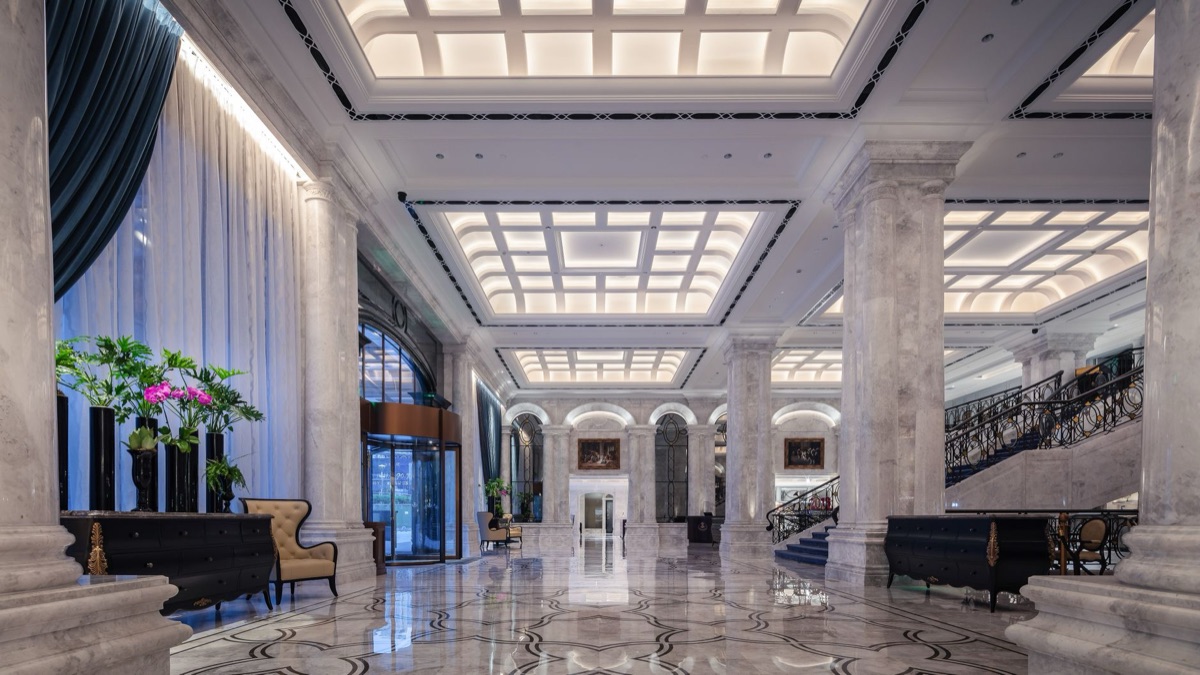
Why is Blackstone investing in high-end hospitality? An investor looking at a skyscraper doesn't just see glass and steel; they see a complex web of equity, debt, and market timing. In the high-end hospitality sector, moving a single piece of a massive corporate puzzle can change the trajectory of an entire portfolio.
Financial mechanics in this sector are often volatile. During periods of economic shifts, such as a global credit crunch, ownership structures can change rapidly.
For example, following a $1 billion stock offering by MGM Mirage during a credit crunch, Tracinda's shares were diluted from 53.8% down to 39%. Such shifts highlight how even the largest players must navigate liquidity and equity dilution.
Large-scale maneuvers often involve complex stake acquisitions. In 2007, Dubai World announced plans to buy a 9.5 percent stake in MGM for approximately $2.4 billion. Additionally, there were plans to invest about $2.7 billion to acquire a 50 percent stake in MGM's CityCenter project.
These numbers illustrate the massive capital required to play at this level.
Managing these assets requires a delicate balance of ownership and control. Historically, figures like Kerkorian held significant stakes, such as 47 percent in both companies, demonstrating how concentrated ownership can drive strategic direction.
But how do you keep a machine this large from grinding to a halt?
Beyond the Rooms: The Ecosystem of a World-Class Resort
I remember standing by a fountain on a warm evening in 2025, watching the choreographed water displays, and realizing that the guest wasn't just paying for a room, but for the theater of the experience. If the fountain stopped, the "luxury" would feel hollow.
A world-class resort is an integrated ecosystem. It isn't just about the 3,005 rooms; it is about the high-end dining, the retail corridors, and the specialized services that keep guests on-site. This integration is what allows a resort to capture a higher share of guest spending.
Maintaining this level of luxury requires a constant tension between physical upkeep and operational excellence. While the $1.6 billion construction cost covered the initial grandeur, the daily cost of keeping marble polished and gardens manicured is what sustains the premium pricing.
The primary driver of ROI in these massive developments is the ability to curate an experience that makes the guest feel they are part of an exclusive club. Without a constant stream of high-value activities, a large-scale hotel risks becoming a mere commodity.
The problem is that even the most beautiful assets face the winds of economic change.
Navigating Market Cycles: Resilience and Adaptation
During a recession, luxury travelers don't necessarily stop traveling, but they do become much more discerning. They look for assets that feel stable, timeless, and worthy of their investment.
Strategic shifts are common when market cycles turn. Large-scale holdings often undergo portfolio adjustments, such as the 50% stake transfer involving MGM Mirage's CityCenter project. These moves are often necessary to rebalance debt or capitalize on new growth opportunities.
Resilience comes from having a strong operational core. While peripheral assets might be sold off during lean years, the primary high-value assets—the ones that define the brand—must be protected at all costs.
| Feature | Standard Luxury Hotel | Ultra-Luxury Resort (Bellagio Scale) |
|---|---|---|
| Room Count | 100 - 300 | 2,000 - 4,000+ |
| Primary Driver | Convenience & Comfort | Experience & Spectacle |
| Investment Scale | $50M - $200M | $1B - $3B+ |
| Market Role | Commodity/Service | Destination/Icon |
It is important to note that these massive investment models are not universal. They rely heavily on high-volume, high-margin environments and specific geographic dominance.
They may not be suitable for markets with limited tourism or highly volatile local political landscapes where long-term capital lock-up is too risky.
Tailoring the Experience: Aligning Investment with Guest Profile
When booking a high-end suite, travelers aren't looking for a standard check-in process; they are looking for a seamless transition from the outside world into a curated reality.
The massive scale of an investment like the Bellagio is designed to capture specific demographics, from honeymooners looking for romance to corporate travelers requiring high-end amenities. The goal is to provide a variety of "micro-experiences" within one massive footprint.
For travelers planning a high-end trip, timing is everything. While peak seasons offer the most vibrant atmosphere, booking during shoulder seasons can often yield better access to specific high-demand suites or dining venues.
When I was researching these luxury frameworks in early 2026, I noticed that the most successful travelers were those who treated the reservation like a strategic move rather than a simple booking.
- Identify the Core Purpose: Determine if you are looking for a quiet retreat or a high-energy destination.
- Evaluate Scale vs. Intimacy: Larger resorts offer more amenities, while boutique hotels offer more privacy.
- Check Seasonality: Match your visit to the specific atmosphere of the destination.
- Verify Amenity Depth: Ensure the property has the specific luxury tier (spa, fine dining, concierge) you require.


Comments 0