Risk vs. Reward: Navigating Market Volatility in Hospitality
"A luxury resort is not just a building with beds; it is a massive engine of capital designed to manufacture wonder."
The sheer scale of a mega-resort can be overwhelming, often stretching across dozens of acres and housing thousands of guests. These projects represent the pinnacle of architectural ambition and economic risk, turning vast sums of money into immersive worlds.
Key Takeaways * Mega-resorts function as complex economic ecosystems that require massive initial capital deployment. * Architectural success hinges on creating immersive, high-end experiential environments that stand as landmarks.
* The financial lifecycle involves strategic maneuvers like acquisitions, divestitures, and managing market volatility.
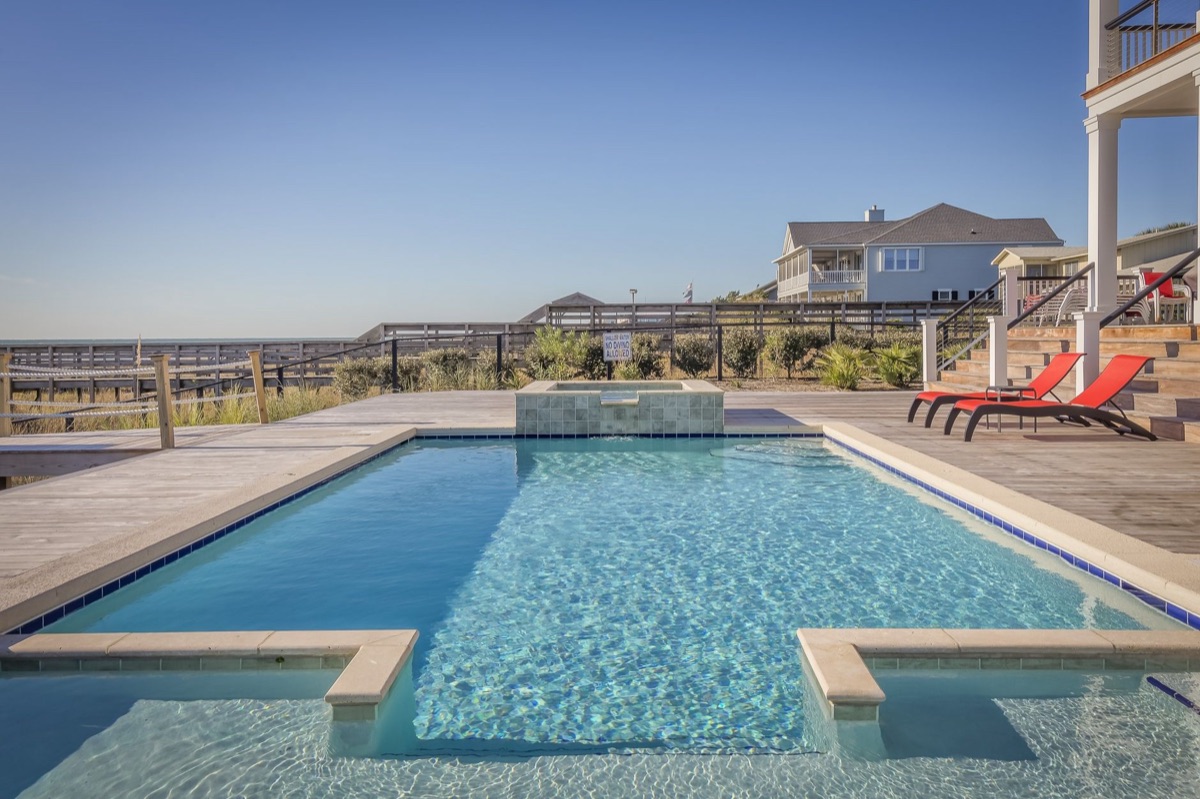
What makes a luxury resort truly mega-scale? A construction crane towers over a desert skyline at 6:00 AM, its shadow stretching across a site that will soon house 3,000 luxury suites. This is the birth of a mega-resort, a project that moves far beyond the concept of a hotel.
A standard hotel provides a place to sleep, but a mega-resort provides a destination. These projects are designed to be self-contained ecosystems where guests can live, dine, shop, and be entertained without ever leaving the property.
This shift from lodging to "destination" requires an astronomical level of initial investment to meet global luxury benchmarks.
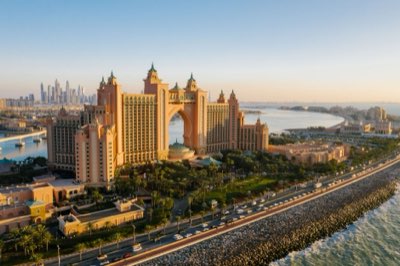
Architectural drivers in this sector focus on creating landmark visual assets. Developers aren't just building rooms; they are building icons that can be recognized globally.
This often means adhering to high-end curation standards, such as the 4-star plus or beach-essential benchmarks that define the luxury market. When a project reaches this scale, the architecture must serve both the guest's desire for luxury and the developer's need for a recognizable brand.
But how do architects actually manage that massive scale without losing the luxury feel?
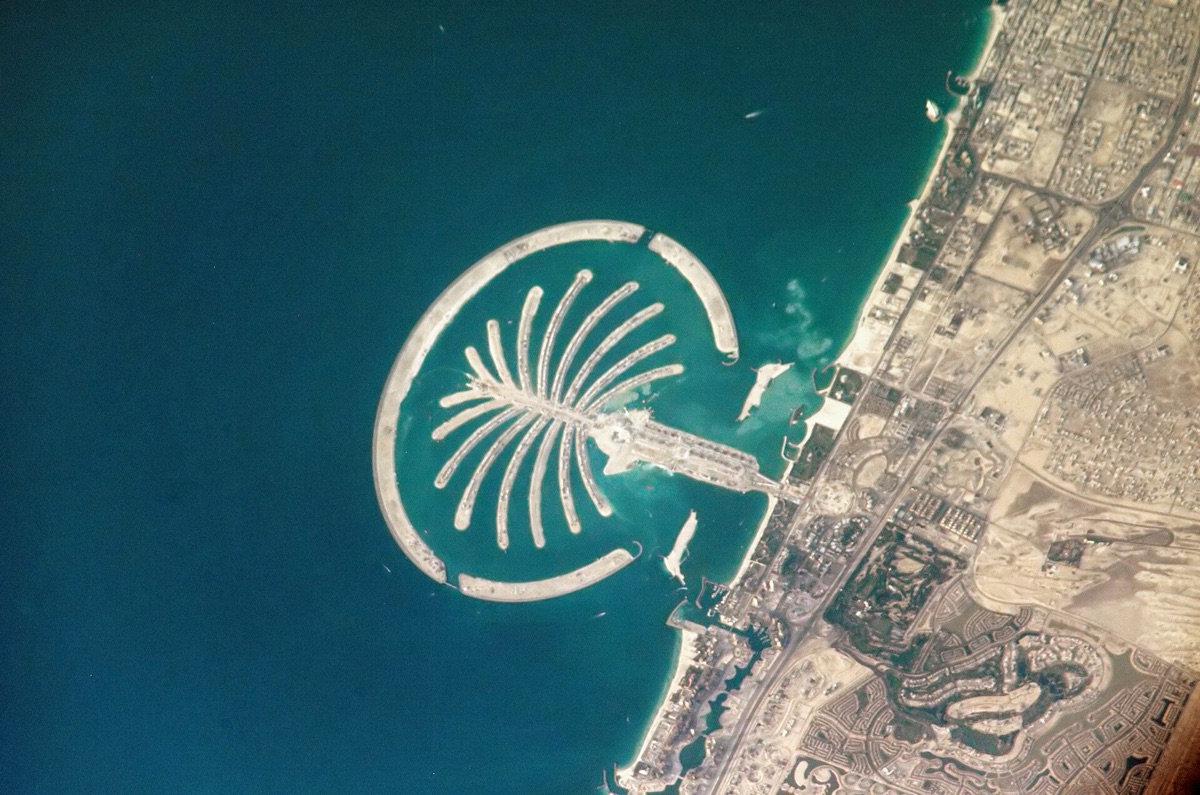
What is the architectural DNA of ultra-luxury? Walking through a massive marble lobby at noon, the air feels cooler, and the sound of the bustling street vanishes, replaced by a carefully curated acoustic environment. The transition from the outside world to the inside luxury space is the first step in the architectural narrative.
Designing for experience means managing the flow of thousands of people while maintaining a sense of exclusivity. Architects must balance massive scale with intimacy.
This is often achieved through clever zoning—creating vast, awe-inspiring common areas like grand atriums or fountains, while tucked-away corridors and private lounges offer the quietness guests expect from a premium stay.
Signature elements are the heartbeat of these designs. Whether it is a massive choreographed fountain show or a unique rooftop infinity pool, these features establish brand value. In the case of iconic properties like the Bellagio, the architecture itself becomes the attraction.
The design doesn't just house the guest; it provides the backdrop for the guest's most significant life moments, from weddings to milestone celebrations.
However, the most beautiful buildings are nothing without the math that keeps them running.
The Financial Mechanics: Investment & Lifecycle Management
A group of executives sits around a polished mahogany table in a high-rise office, reviewing spreadsheets that show billions of dollars in projected movement. This is the reality of the luxury hospitality industry: the architecture is the stage, but the finance is the script.
According to Wikipedia: MGM Resorts International (full), City Center's development coincided with the 2008 financial crisis, causing more than $1 billion in write-offs in its valuation.
The lifecycle of these projects is rarely a straight line. It involves phases of massive capital deployment followed by years of stabilization. Because the stakes are so high, strategic financial moves are common.
Companies often engage in acquisitions to expand their footprint or divestitures to manage risk and liquidity.
For example, the development of the CityCenter project coincided with the 2008 financial crisis, which caused more than $1 billion in write-offs in its valuation. Such volatility is a constant factor in high-stakes development.
To manage these pressures, companies often use complex structures like Real Estate Investment Trusts (REITs). One instance involved an offering that raised $1.05 billion, leaving MGM Resorts with 76 percent ownership of the REIT.
Strategic shifts are also seen in how companies manage their portfolios.
In 2015, MGM sold several properties, including the Railroad Pass Casino, the Gold Strike, and properties in Reno—specifically Circus Circus Reno and a 50 percent stake in the Silver Legacy—to Eldorado Resorts for $72.5 million.
These moves allow companies to reallocate capital toward newer, higher-growth projects. But what happens when these massive investments hit the local community?
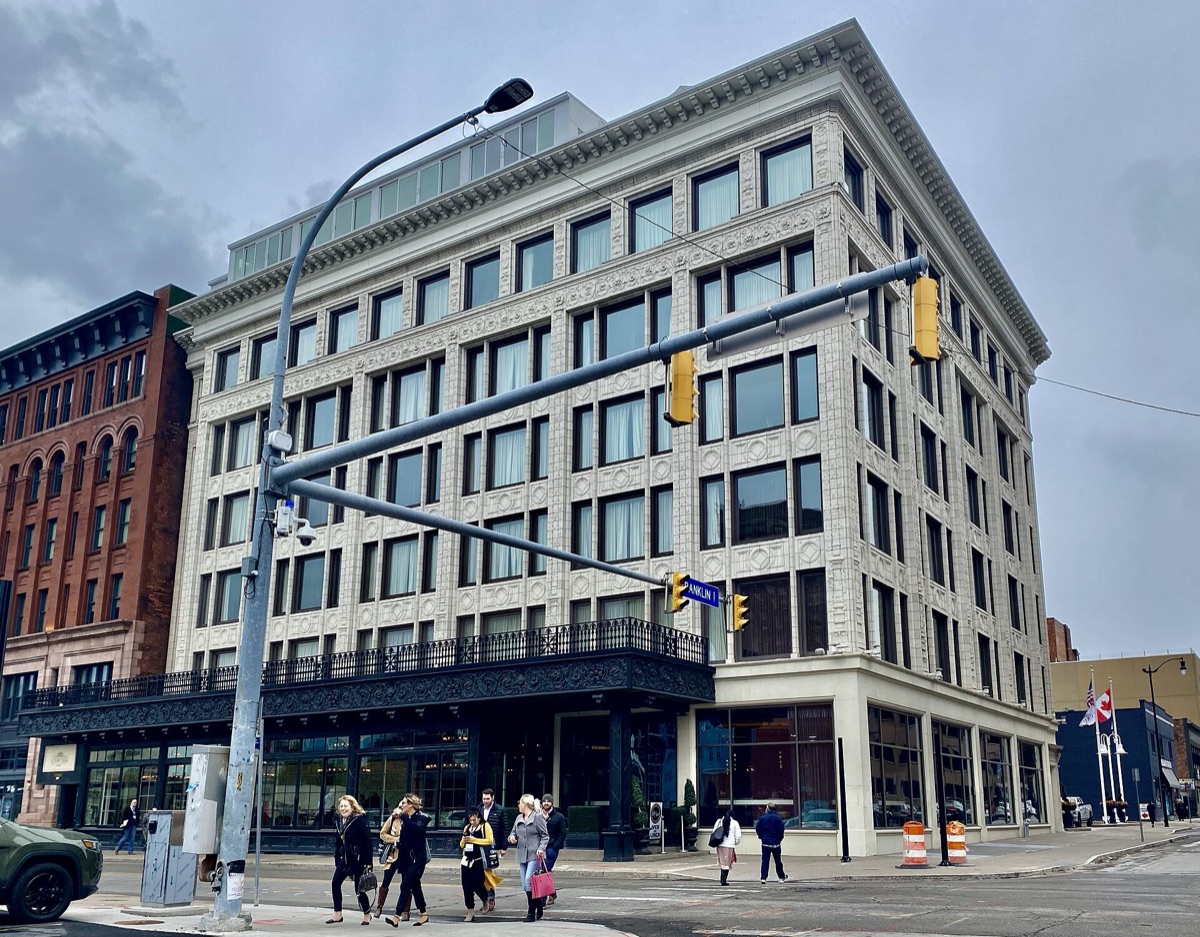
Economic Impact: Beyond the Guest Stay
A local worker commutes two hours via shuttle to reach the resort gates at 5:00 AM, while a nearby vendor prepares fresh produce for the hotel's kitchens. The economic footprint of a mega-resort extends far beyond the property lines.
A luxury resort acts as a massive economic driver for its region. It provides thousands of jobs, from housekeeping and culinary arts to high-level management and engineering.
Beyond direct employment, the "multiplier effect" means that the presence of a luxury destination supports local transport, food suppliers, and secondary tourism businesses.
However, the risk of high-capital ventures is significant. Market downturns can turn a flagship property into a financial burden. Managing these risks often requires the scale itself to be a tool for resilience.
Large-scale infrastructure allows for diversified revenue streams—gaming, dining, retail, and rooms—which can help buffer the impact if one sector underperforms.
| Feature | Standard Luxury Hotel | Mega-Scale Resort |
|---|---|---|
| Primary Purpose | High-end lodging | Integrated destination |
| Economic Role | Local business contributor | Regional economic driver |
| Architecture | Aesthetic and functional | Iconic and landmark-focused |
| Revenue Stream | Primarily room and F&B | Diversified (Retail, Gaming, Events, etc.) |
But how do you keep both a quiet honeymooner and a loud family happy in the same building?
Tailoring the Experience: From Honeymoon to Family Escape
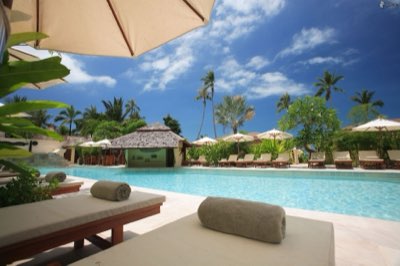
A young couple walks hand-in-hand through a flower-filled garden at sunset, while a few yards away, a family navigates a massive pool deck filled with activity. The genius of a well-designed mega-resort is that it can cater to these two vastly different worlds simultaneously.
Developers must curate the infrastructure to suit various demographics. A honeymooner seeks privacy, quiet luxury, and romantic atmosphere. A family on vacation seeks engagement, safety, and convenience. The most successful resorts use spatial design to separate these experiences.
High-end suites and quiet wings cater to the romantic traveler, while large-family suites and active recreation zones cater to the vacationing family.
Location synergy is also vital. A resort that is centrally located near major attractions or sits on a prime piece of coastline can command much higher rates. Furthermore, the luxury "all-inclusive" model is often operationalized within these massive complexes.
By offering comprehensive packages that include dining, activities, and transport, the resort captures a larger share of the guest's total travel spend while providing the convenience that luxury travelers demand.
When I first walked through a massive desert resort in 2022, I noticed how the sheer distance between the entrance and the elevators felt like a journey itself. It wasn't just a hallway; it was a transition.
To succeed, developers often follow a specific development checklist:
- Site Selection: Identifying land that allows for both massive scale and unique natural or urban features.
- Capital Structuring: Securing multi-billion dollar financing through combinations of equity, debt, and REITs.
- standing
- Zoning and Flow: Designing the layout to separate high-traffic social zones from quiet guest corridors.
- Amenity Integration: Building diverse revenue streams like retail, spas, and entertainment into the master plan.
- Operational Stabilization: Managing the transition from the construction phase to the multi-year period of occupancy growth.



Comments 0