Vegas Scale: How Resorts Grew from Small to Mega-Complexes
"The desert was once a quiet expanse, but the ambition of architects turned it into a skyline of neon and glass."
The evolution of the Las Vegas Strip is not just a story of changing architecture, but a relentless race toward massive scale and integrated luxury.
Key Takeaways
* The transition from foundational properties to mega-resorts reflects a constant pursuit of market dominance through sheer size and luxury. * Ownership shifts, such as corporate acquisitions, have historically dictated the renovation and expansion capabilities of iconic properties. * Modern hospitality integrates massive convention spaces with lodging to create self-sustaining ecosystems. * Understanding this history helps travelers recognize why modern luxury standards demand such high-density, high-amenity environments.
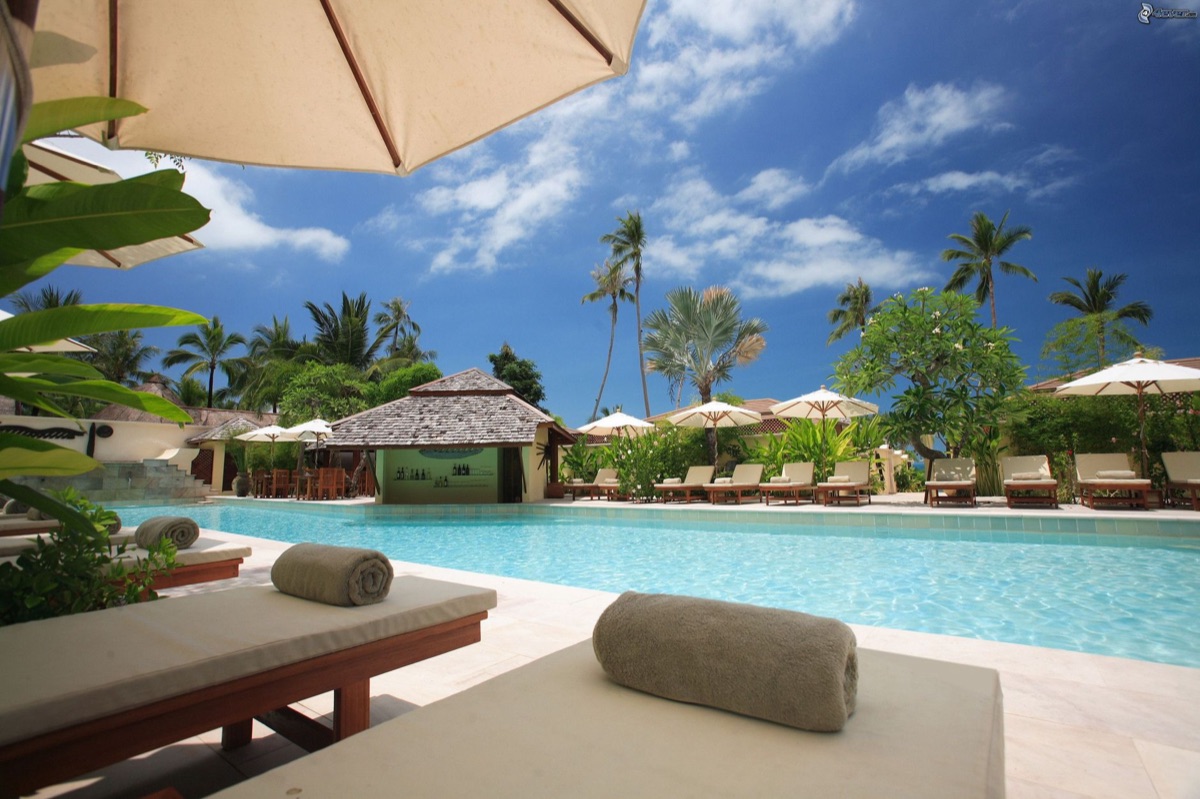
How did early Vegas hospitality and scale begin? The desert sun beat down on a dusty stretch of road where, decades ago, travelers first encountered the promise of neon-lit luxury.
In those early days, a successful hotel was often just a place to sleep between gambling sessions, with limited amenities and a much smaller footprint than what we see today.
Early hospitality focused on providing a centralized hub for gaming and lodging, often within a single, cohesive building. While these foundational properties established the identity of the Strip, their operational scale was limited by the technology and transport of the era.
Compared to the massive footprints of today, these early ventures were intimate, often lacking the sprawling convention centers or multi-tower complexes that define the modern skyline.
As the city grew, these early models had to adapt or face obsolescence. The shift from small-scale lodging to high-density hospitality began when operators realized that more rooms and more space meant more opportunities for diverse revenue streams.
But as the city expanded, the simple single-building model began to crack under the weight of its own success.

How did acquisitions and renovations drive scale? Under the dim light of a boardroom, a hand grips a heavy fountain pen as the cool air of the office settles over the room.
A quiet boardroom meeting in 1979 changed the trajectory of a legendary property, signaling a shift toward corporate management. The transition from family-owned ventures to corporate-backed entities allowed for the capital-intensive renovations required to stay competitive.
This kind of corporate takeover paved the way for more aggressive expansion strategies.
Later, in 1998, Aztar bought an option to acquire the 50% interest held by the Jaffe family, which would make future renovations easier to implement.
These ownership shifts were critical. Without the ability to consolidate ownership, the massive, unified renovations that define the modern Strip would have been nearly impossible to execute.
These moves allowed owners to rethink entire floor plans, moving from simple hotel rooms to integrated luxury suites.
However, growth wasn't just about ownership; it was about the sheer physical capacity to host the world.
The Era of Mega-Resorts: Pursuing Global Scale
The sound of heavy machinery and the sight of massive cranes became a permanent fixture of the desert horizon as the era of the mega-resort dawned. No longer were hotels just buildings; they became cities within cities, designed to host tens of thousands of people simultaneously.
This era saw the rise of integrated complexes that combined lodging, shopping, and massive professional meeting spaces.
For example, the Las Vegas Sands opened the 1.2 million square foot Sands Expo and Convention Center in 1990, which was the largest privately owned convention facility in the world, according to Wikipedia.
This integration allowed resorts to host global-scale events, driving massive foot traffic that benefited every hotel wing.
The development of these giants required years of phased construction. Builders learned to manage massive growth, often opening parts of a resort while other sections were still under construction to maintain cash flow.
But even with all that space, things don't always go according to plan.
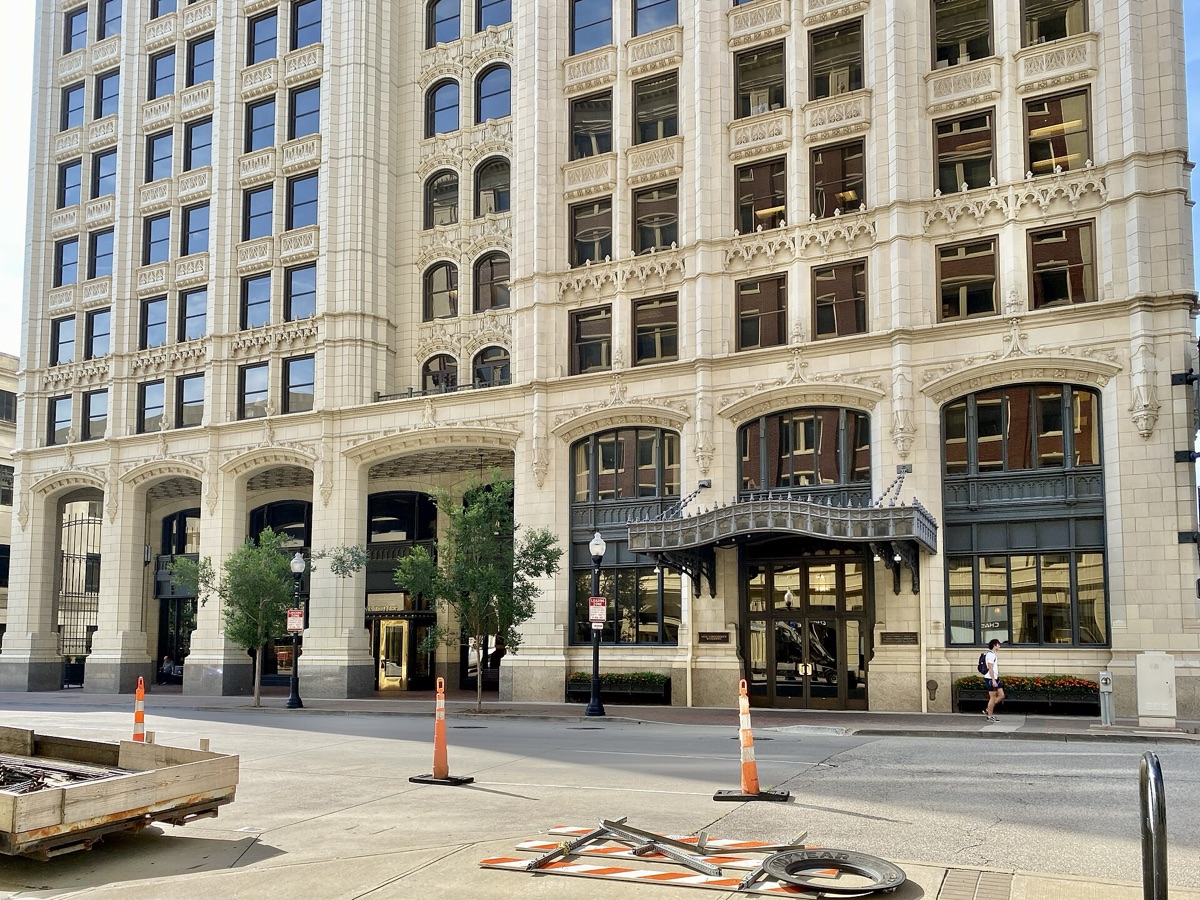
Operational Peaks and Troughs: Showcases and Challenges
The bright lights of a theater might flicker momentarily during a period of transition, reminding everyone that even the largest empires face operational hurdles. Managing a massive facility is a delicate balance of maintenance, staffing, and entertainment programming.
Operational challenges often arose during these periods of growth or ownership change.
Such disruptions highlight the vulnerability of large-scale entertainment-focused models.
Furthermore, the rollout of amenities is often staggered. When new mega-resorts open, they don't always hit 100% functionality on day one.
This phased approach allows operators to test systems before full-scale activation, though it can temporarily impact the guest experience.
The question remains: how do these massive machines actually function on a daily basis?
The Modern Benchmark: Contemporary Luxury and Capacity
Walking into a modern luxury resort, the sheer volume of activity can be overwhelming, yet everything feels meticulously choreographed. The current standard is no longer just about having a bed and a slot machine; it is about providing a seamless, high-end lifestyle experience.
Modern resorts balance massive capacity with personalized luxury. While a hotel might house thousands of guests, the design aims to create "micro-environments" where travelers can find quiet, high-end service. This is a far cry from the early days where scale was the only metric of success.
Today, the benchmark is defined by how well a property can manage its massive footprint while still making a guest feel like they are in a private sanctuary. The integration of high-tech automation, massive spa facilities, and world-class dining makes these properties self-contained destinations.
| Feature | Early Era (e.g., Stardust era) | Modern Era (e.g., Bellagio/Resorts World) |
|---|---|---|
| Primary Focus | Gambling & Basic Lodging | Integrated Entertainment & Lifestyle |
| Scale | Single-building, localized | Multi-tower, mega-complexes |
| Amenities | Limited, often on-site only | Massive, including convention centers |
| Ownership | Often family or small groups | Large corporate/global entities |
It is worth noting that this level of luxury is not universal. While mega-resorts define the Strip, travelers looking for quiet, boutique intimacy might find these high-density environments overwhelming.
The trade-off for massive scale is often a loss of that small-town, personalized feel found in older, smaller properties.
Preserving the Legacy: Why Scale Matters in Vegas
The desert wind sweeps across the Strip, carrying the echoes of decades of growth and ambition. Every new tower built is a response to a history of constant expansion and the evolving needs of a global traveler.
The physical expansion of Las Vegas mirrors a market demand for "more"—more variety, more luxury, and more spectacle. This history of scaling up has created a unique hospitality environment where the sheer size of a property is its greatest asset.
For the modern luxury traveler, this scale provides the variety and convenience that makes a desert getaway a world-class experience.
When I first walked through a massive new resort, I remember looking up at the sheer height of the ceilings and feeling small, yet strangely secure in the organized chaos. It wasn't just a hotel; it was a controlled ecosystem.
To understand how these giants are maintained, one must look at the operational cycle:
- Phased Opening: Operators often open specific wings or towers first to begin generating revenue while construction continues elsewhere.
- Amenity Rollout: High-traffic areas like restaurants and casinos open early, while luxury amenities like spas or specialized theaters might follow months later.
- ly.
- System Testing: During these transition periods, staff undergo intensive training to manage the sudden influx of thousands of guests.
- Maintenance Cycles: Large-scale properties must schedule constant, rotating renovations to prevent any single section from looking aged.
The evolution from the foundational properties to the mega-resorts we see today proves that in Las Vegas, growth is the only constant.
#



Comments 0