Integrated Resorts: Crown's Success in Luxury Hospitality
"The true essence of a luxury destination lies not in its size, but in its ability to seamlessly blend high-stakes excitement with refined hospitality."
The integrated resort model has redefined what travelers expect from a weekend getaway or a high-end vacation. It is no longer just about a bed and a breakfast; it is about a self-contained ecosystem where dining, entertainment, and lodging exist in perfect harmony.
Key Takeaways
* The integrated resort model succeeds by fusing diverse revenue streams—gaming, hospitality, and entertainment—into a single, high-value destination. * Crown’s operational history reveals a pattern of strategic shifts, from early expansion to massive ownership transitions. * Successful market entry requires balancing global luxury standards with deep local cultural integration. * Modern hospitality demands agility, as seen in the complex web of acquisitions and stake sales that define industry leaders.
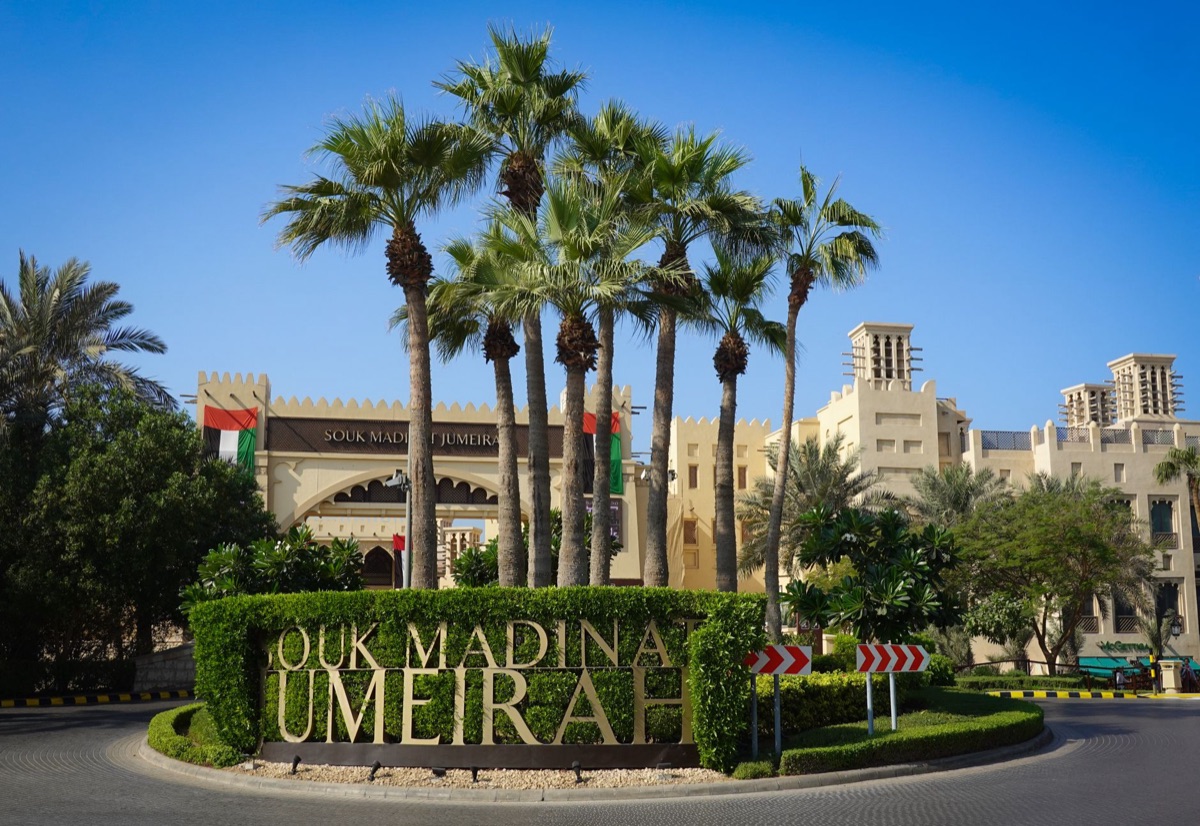
What is the Integrated Resort Model, and How Does Crown Execute It?
A quiet evening in a plush, velvet-lined lounge in Melbourne might feel worlds away from the high-energy gaming floors just a few corridors over. You might find yourself sipping a 25-year-old single malt at 8:00 PM, only to step into a different reality of neon and noise just thirty meters away.
This transition is the heartbeat of the integrated resort model.
An integrated resort is a massive, multi-faceted destination that functions as its own city. It goes beyond a standard hotel by combining luxury accommodations, fine dining, high-end retail, theater, and gaming into one cohesive footprint.
For a company like Crown, this means managing a portfolio that spans iconic locations like Crown Melbourne, Crown Perth, and Crown Sydney.
The goal is to capture every dollar of a traveler's budget within a single ecosystem. When a guest checks into a suite, they aren't just looking for a room; they are looking for an entry point into a curated lifestyle.
By providing everything from Michelin-standard dining to world-class gaming, the resort ensures that the guest never has a reason to leave the property.
This model relies on high-density, high-value touchpoints. If a guest spends their morning at a luxury spa, their afternoon at a high-stakes table, and their evening at a theater, the resort has successfully maximized the utility of its physical space.
But how did a company grow from a single vision into a sprawling empire of luxury and risk?
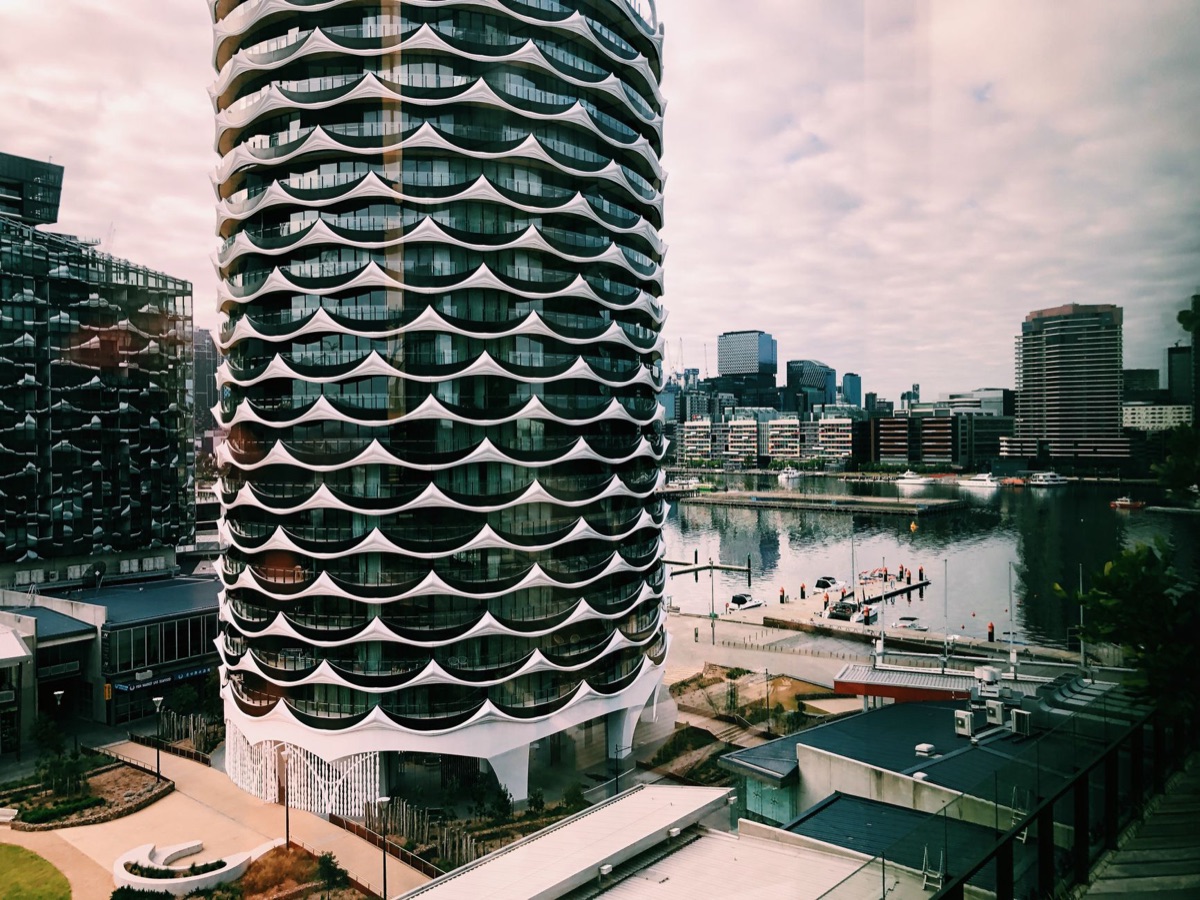
How has Crown grown through its key milestones? Walking through the grand lobby of a flagship property, one might feel the weight of decades of corporate maneuvering and strategic expansion. You can almost see the ghosts of past negotiations in the polished marble and the heavy gold leafing.
The growth of Crown Resorts was not a straight line, but a series of calculated moves to secure market dominance. Early on, the company had to navigate complex agreements to establish its footprint.
In 2009, an initial agreement was ended, leading Crown to instead purchase a 24.5 percent stake in a company for $370 million, which also involved paying a $50 million termination fee.
As the digital age approached, the company looked toward new frontiers of engagement. In August 2014, Betfair completed the sale of their 50% stake in Betfair Australia to venture partner Crown Resorts, signaling a move to integrate digital and physical gaming interests.
Perhaps the most significant shift in ownership occurred in 2019. During this period, owner James Packer agreed to sell 20% of Crown's shares to Melco Resorts & Entertainment. This sale, representing nearly half of his personal stake in the company, was valued at A$1.76 billion (US$1.22 billion).
This transition marked a new era of corporate identity and global investor interest. However, the shift in ownership brought a new set of challenges regarding how to manage such a massive, diverse portfolio.
How does Crown adapt through deals and partnerships? A boardroom meeting in a high-rise office often dictates the atmosphere of a luxury hotel lobby years before a guest ever checks in. Imagine a room overlooking a city skyline at 10:00 AM, where a single signature on a contract decides the fate of a thousand-room hotel.
The hospitality industry is subject to constant shifts in regulation, market saturation, and investor appetite. To survive, leaders must be willing to trade equity for growth. Crown’s history is a masterclass in these high-stakes negotiations.
Early strategic pivots, such as the 2009 decision to pay a $50 million termination fee to secure a 24.5 percent stake, show a willingness to absorb immediate costs for long-term positioning. Later, the 2014 partnership with Betfair allowed the company to tap into different market segments.
The 2019 sale to Melco Resorts & Entertainment, where 20% of shares were moved for A$1.76 billion, highlights the complexity of managing massive corporate stakes. Such moves are often necessary to bring in new capital or to satisfy the shifting priorities of founding stakeholders.
These maneuvers ensure that the company remains liquid and capable of further expansion even when market conditions fluctuate. But the real test isn't in the boardroom; it's in the guest experience.
Beyond the Hotel Room: The Ecosystem of a Luxury Destination
The scent of expensive perfume and the soft clinking of crystal glasses define a successful luxury evening. You might walk through the doors at 7:30 PM, leaving the humid city air behind for a climate-controlled sanctuary of elegance.
In a standard hotel, the guest is a visitor. In an integrated resort, the guest is a resident of a temporary, high-end world. The success of the model depends on the seamlessness of the experience.
If a guest has to struggle with a confusing layout to find the dining room, the illusion of luxury is broken.
The ecosystem works because it addresses every human need within a controlled environment.
- Accommodation: High-end suites that serve as a private sanctuary.
- Culinary: Diverse dining options, from casual high-end cafes to formal fine dining.
- Entertainment: Theatrical, musical, or gaming-based excitement.
- Retail: Exclusive shopping experiences that cater to high-net-worth individuals.
This integration creates a "sticky" environment. When a guest moves from a luxury hotel stay to a high-end dining experience, and then to a gaming floor, the transition should feel natural, not forced.
This cross-pollination of activities is what drives the high-margin success of the integrated resort model. But can a brand that spans an entire continent maintain a consistent soul?
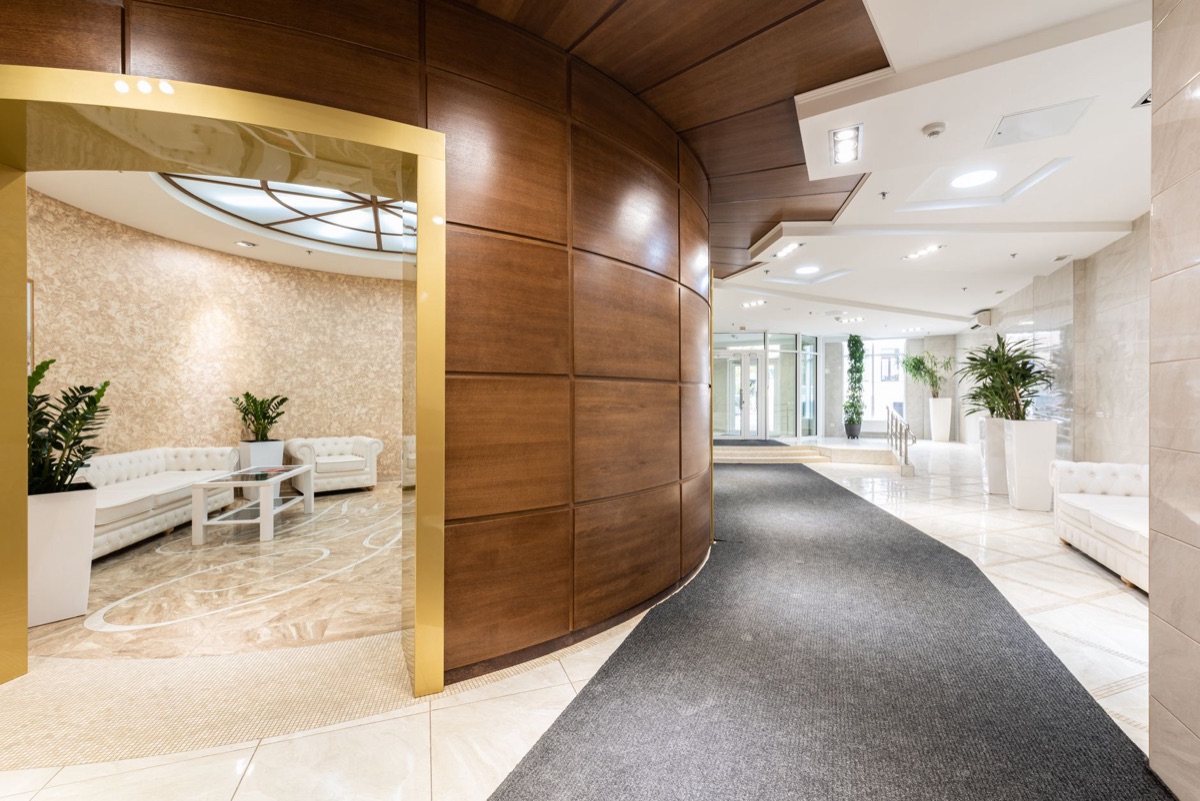
Global Footprint vs. Local Touch: Tailoring the Offering
A traveler from New York might find the quiet elegance of a Sydney waterfront quite different from the vibrant energy of a Melbourne city-center hotel. When I visited a similar luxury property last year, I noticed how the local architecture was subtly woven into the modern amenities.
Operating globally requires a delicate balance. A brand must maintain a consistent standard of luxury so that a guest knows what to expect, yet it must also feel deeply rooted in its local environment.
Crown's properties in Melbourne, Crown Perth, and Crown Sydney each serve different regional tastes while adhering to a unified corporate standard.
This tension between global standards and local nuances is constant. While the operational backbone—the technology, the service protocols, and the security—is standardized, the "flavor" of each resort must be unique.
A resort in a coastal city might emphasize outdoor lifestyle and maritime luxury, while a city-center property might focus on high-fashion and nightlife.
Successful operators understand that while the business model is global, the guest experience is intensely local.
| Feature | Standard Luxury Hotel | Integrated Resort |
|---|---|---|
| Primary Focus | Overnight Stay | Comprehensive Experience |
| Revenue Streams | Room, F&B, Spa | Gaming, F&B, Retail, Events, Room |
| Guest Stay Length | Typically 1-3 nights | Often extended stays/destination trips |
| Ecosystem | Often relies on outside city for activities | Self-contained destination |



Comments 0