Downtown vs City Resort Strategy: How to manage urban space
"The central business district is often a tiny fraction of a city's total land area, yet it holds a disproportionate share of its value."
Understanding the difference between a city resort and a downtown resort requires looking at density, land value, and the historical evolution of urban centers.
This guide explores how high-density environments shape hospitality strategies through the lens of urban development and historical economic shifts.
Key takeaways include the impact of land concentration, the relationship between occupancy and profitability, and how urban shape influences development.
How does land value shape a Downtown vs City Resort Strategy?
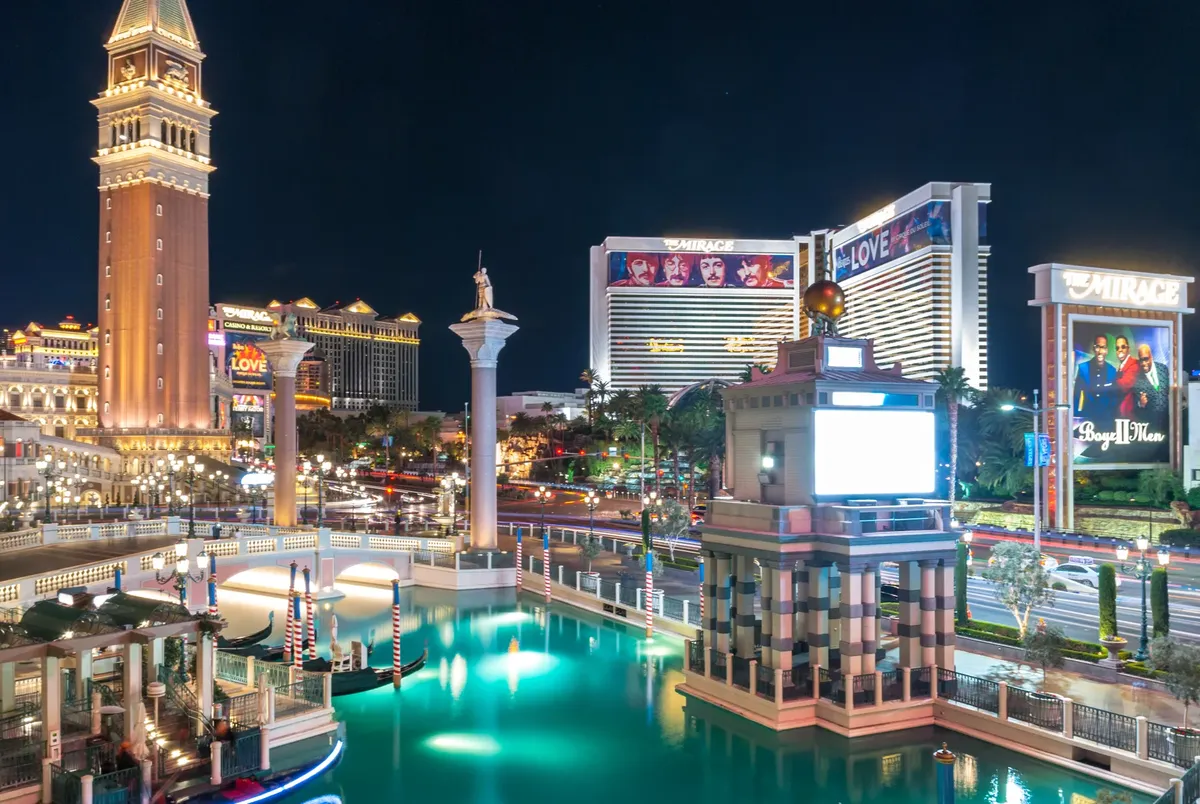
Staring up at the towering glass monoliths at sunset, the developer feels the heavy weight of the rising costs inherent to a downtown property.
A developer stands on a street corner in a dense metropolitan area, looking up at skyscrapers that dominate the skyline. In 1926, Chicago's central business district represented less than 1% of the city's total area, yet it held 20% of the city's land value.
This concentration of value creates a unique environment for a Downtown vs City Resort Strategy.
High-value land requires developers to build vertically to maximize returns on a small footprint. In Manhattan, the elongated shape of the district, which is nowhere more than 2 miles wide, historically constrained how much space could be utilized for single-use structures.
This density forces hospitality operators to focus on high-yield amenities rather than sprawling grounds.
A city resort might sit on the periphery of a growing area, but a downtown location must navigate extreme land value fluctuations. For example, in the Chicago Loop, real estate lost 25–30% of its value during certain economic downturns, while outlying districts often fared even worse.
Success in these zones depends on managing the intense pressure of high-cost urban plots.
What are the risks of an urban resort operations model?
The manager paces the empty, echoing lobby at midnight, feeling a cold chill as the risks of the downtown location become clear.
An operator walks through a quiet lobby during an unexpected dip in foot traffic. In Manhattan, the hotel occupancy rate fell from 70% in 1929 to around 50% in 1933. Such shifts illustrate the volatility inherent in urban resort operations.
Large-scale hotels require significant staff and high occupancy rates to remain profitable. When occupancy drops, the fixed costs of maintaining a massive facility in a prime location can lead to financial instability.
By 1934, the situation in Manhattan was so severe that 80% of hotels were owned by their creditors.
Managing these risks requires a strategy that can handle sudden changes in guest volume. While a sprawling resort might rely on seasonal tourism, a downtown property often relies on the daytime population and business travelers.
However, even in growing cities, the daytime population of specific areas, like the Chicago Loop, can see minimal growth compared to the broader metropolitan area.
How do historical trends influence Las Vegas resort comparison?
A construction crew looks at a blueprint for a new high-rise structure in a desert valley. In July 2018, the Las Vegas City Council approved a new resort with a height of 459 feet. This type of vertical development is a hallmark of modern urban hospitality.
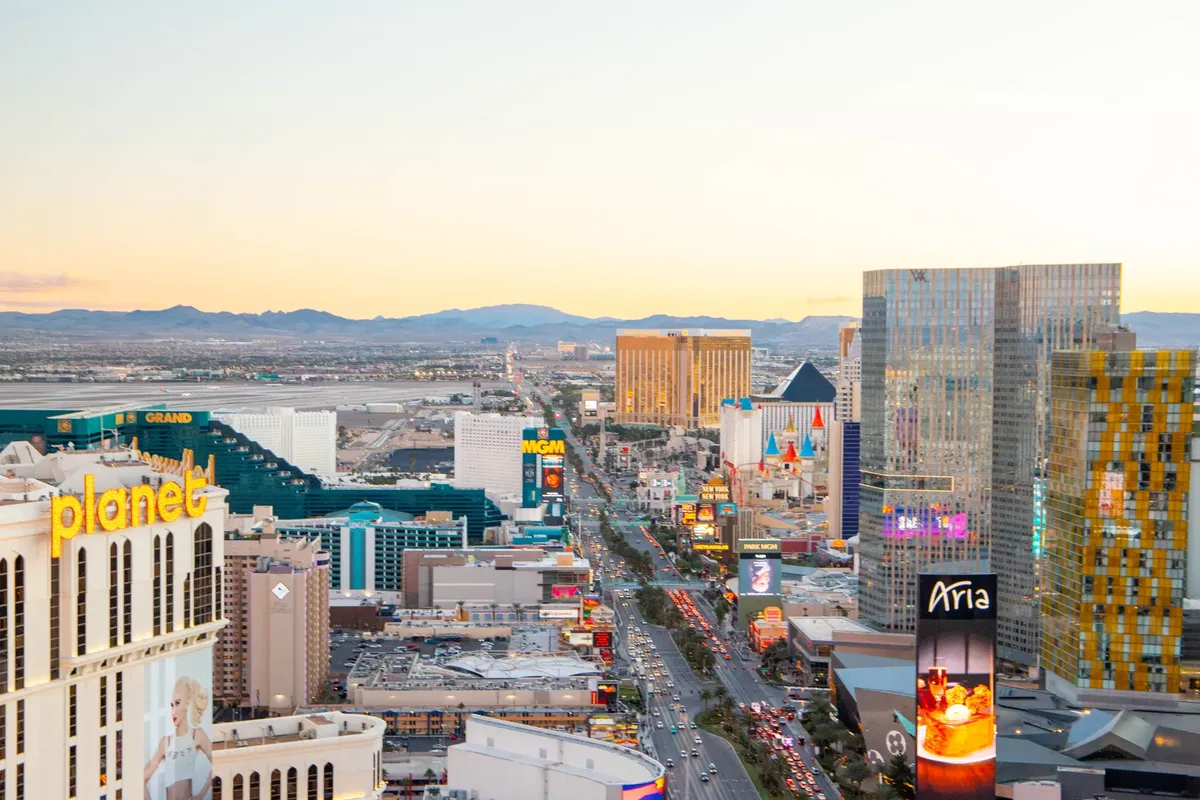
The development of such a structure represents a specific approach to density. On January 10, 2019, the name Circa Resort & Casino was unveiled during a party at the Downtown Las Vegas Events Center.
This project serves as a modern example of how developers utilize specific urban zones to create high-impact destinations.
When considering a Las Vegas resort comparison, one must look at how these buildings interact with the surrounding city fabric. In mid-20s environments, land value percentages in cities like St. Louis were around 20%, while Los Angeles saw 17% in the early 1930s.
These figures highlight how central hubs concentrate wealth and demand.
What defines the growth of an urban resort?
An architect examines a map showing the expansion of office space across a major metropolitan area. Between 1925 and 1931, office space in Manhattan nearly doubled, while Chicago saw an increase of almost 75%. This growth drives the demand for hospitality services in the heart of the city.
A Census Bureau report released today shows that in many of the largest cities of the most-populous metro areas, downtown is becoming a place not only to work but also to live, according to the Census Bureau.
As office space increases, the need for transient lodging follows. In Philadelphia, office space grew by almost two-thirds, and in New Orleans and Denver, it increased by more than 50% during the same period. These expansion periods create a surge in demand for downtown accommodations.
| Region | Office Space Increase (approx.) |
|---|---|
| Chicago | 75% |
| Philadelphia | Two-thirds |
The growth of these hubs is often tied to the daytime population. In Chicago, between 1929 and 1949, while the metropolitan area grew by about 14%, the daytime population of the Loop only rose by 1/3 of 1%.
This shows that while the city expands, the core remains a distinct, highly concentrated environment.
How can developers manage urban space?
An urban planner looks at a vacant lot in the middle of a bustling downtown district. By the early 1940s, 18% of the land in the Chicago Loop was vacant or used for parking, compared to 25% in Los Angeles. Managing these gaps is a key part of urban development.
To successfully implement a Downtown vs City Resort Strategy, developers must balance space utility with accessibility. The availability of vacant land or parking lots represents both a challenge and an opportunity for expansion.
A developer must decide whether to use the space for immediate revenue or for future scaling.
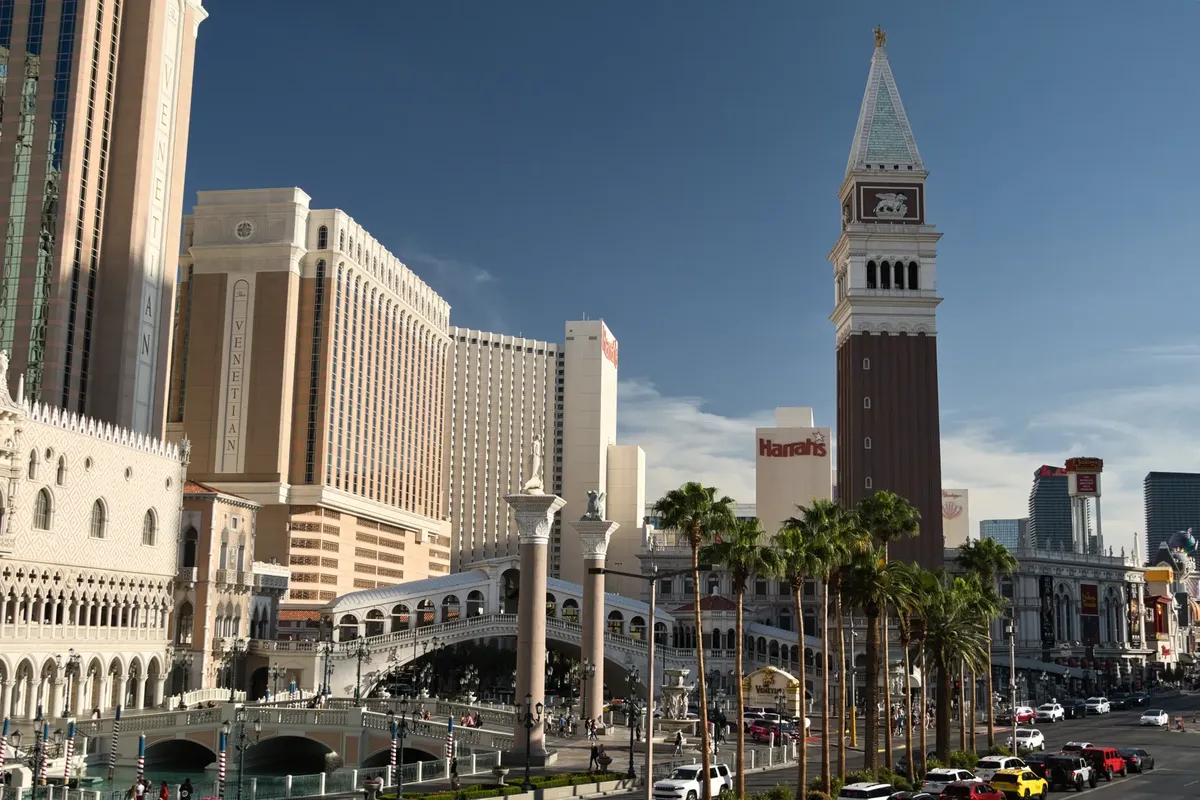
A successful approach involves: 1. Maximizing verticality to offset high land costs. 2. Diversifying amenities to capture various guest segments. 3. Planning for economic elasticity to handle occupancy shifts.
Finally, a developer must perform a check to ensure the project can withstand local economic fluctuations. A single person might walk through a new lobby, reflecting on the scale of the building compared to the surrounding streets.
- How does land value shape a Downtown vs City Resort Strategy?
- What are the risks of an urban resort operations model?
- How do historical trends influence Las Vegas resort comparison?
The same subject is also called Circle vs Grand Sierra.
The same subject is also called Downtown resort features.
This part also covers Operating downtown resorts.
This part also covers Resort location impact study.
This part also covers Comparing Vegas resort models.
Operating downtown resorts
Related




Comments 0