Resort brand evolution study: How to guide brand change
"The transition from one era to another requires more than just a change in signage; it requires a complete reimagining of the physical footprint and the labor landscape."
The evolution of a resort brand often involves a complete overhaul of the existing infrastructure to align with new ownership goals. This process typically involves finalizing asset sales, managing vast acreage, and navigating labor relations during the transition.

Key takeaways include the timing of renovation starts, the scale of land acquisition, and the challenges posed by union relations during brand shifts.
How does the sale of a legacy property trigger a brand transition?
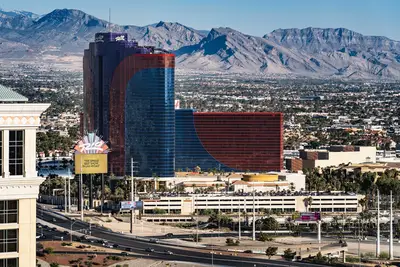
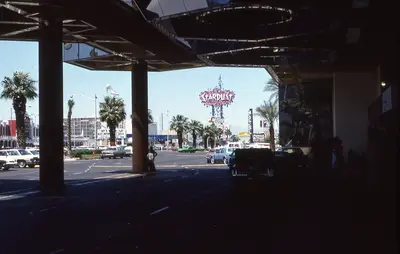
An empty lobby waits for the dust of construction to settle after a major change in ownership. The sale of the Aladdin was finalized on September 1, 2004, with renovations beginning 13 months later.
This timeline shows how much space exists between a legal transaction and the physical manifestation of a new brand identity.
A resort brand evolution study looks at how these delays affect market positioning. Such a period allows owners to plan the massive shifts required to move from an old concept to a modern one.
The transition period is often a time of uncertainty for both the physical structure and the surrounding community.
However, the effectiveness of this transition may be limited if the existing brand equity is too deeply tied to the physical site. In this sequence, the first point is the most critical.
What scale of land is involved in large-scale resort redevelopments?
A surveyor marks the boundaries of a massive desert plot under the hot sun. With the acquisition and its other properties, Harrah's had control of 126 acres (0.51 km2) on the east side of the Strip between Flamingo Road and Harmon Avenue.
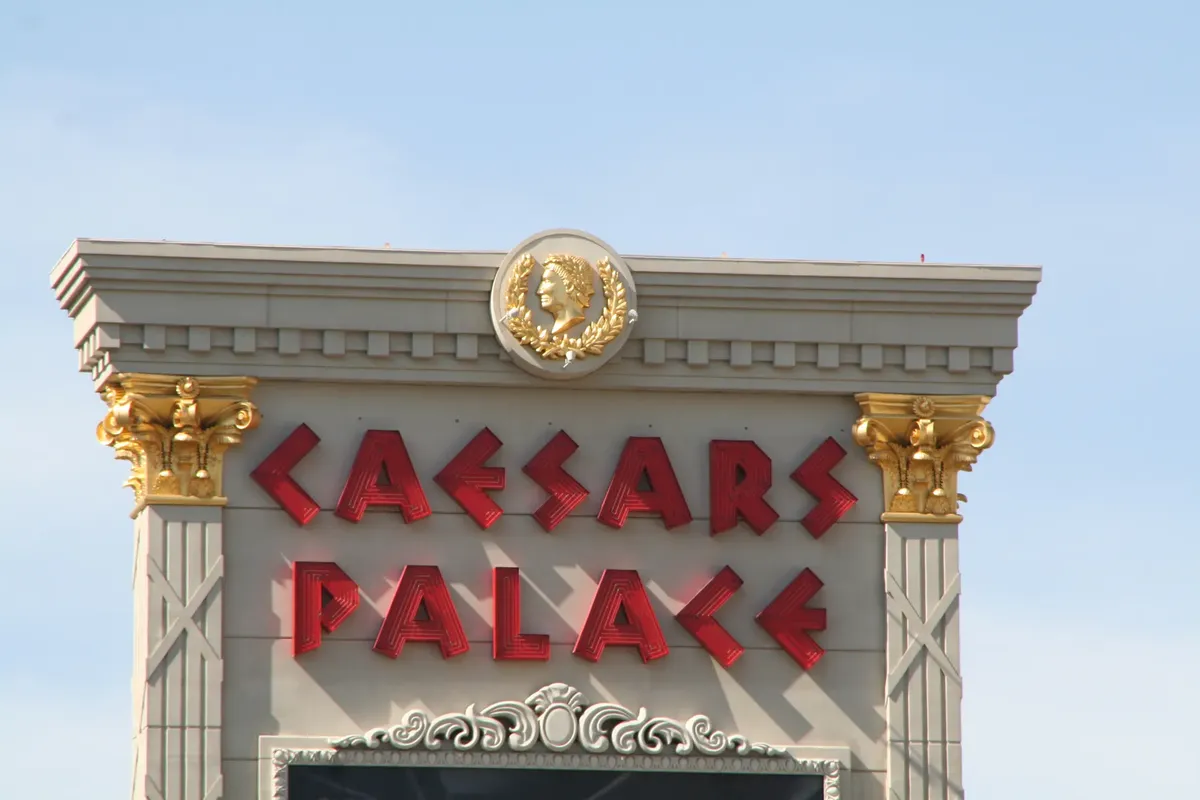
This scale of land control is vital for any brand transition in the hospitality sector.
A resort redevelopment case study often focuses on how much acreage can be utilized for new amenities. Managing 126 acres requires significant capital and long-term strategic planning.
The sheer size of the footprint dictates how much the brand can change before it loses its connection to the original site.
This logic does not apply to small-scale urban infill projects where land constraints dictate a different approach. I will address the second point next.
How do labor unions influence the opening of a new brand?
A group of workers gathers at the gates of a construction site to discuss their future. The Culinary Workers Union represented most resort workers on the Strip and opposed the Aladdin opening as a nonunion property.
According to The Culinary Workers Union, the organization represented most resort workers on the Strip and opposed the Aladdin opening as a nonunion property.
This tension between new ownership and established labor groups is a critical factor in brand transitions.
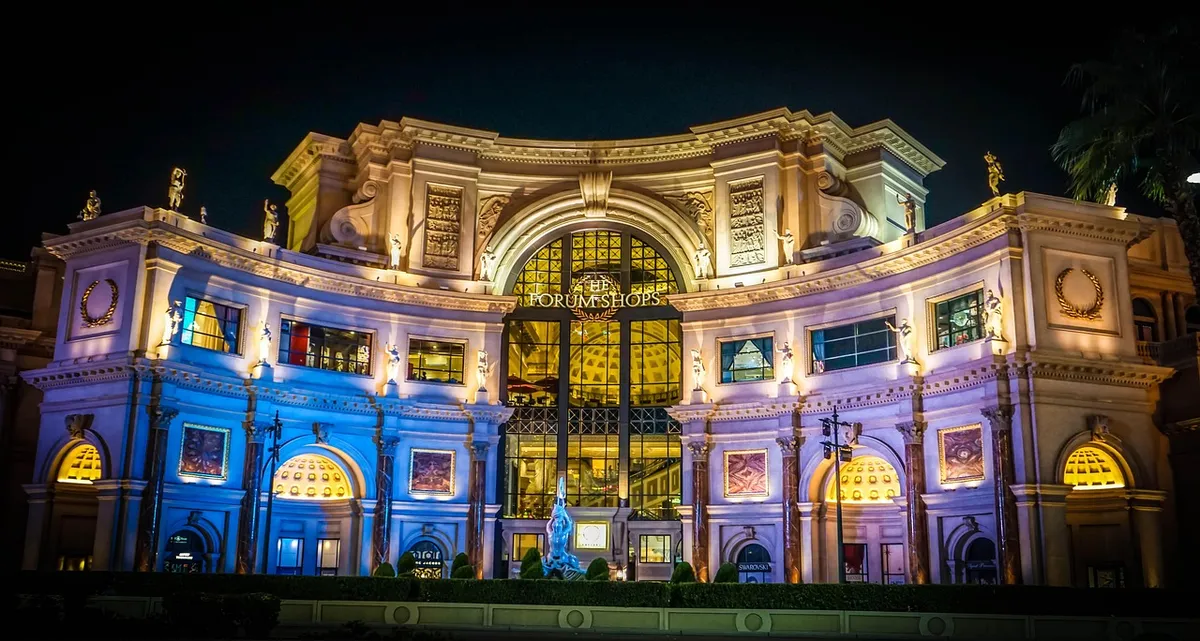
A brand transition in resorts often meets resistance when the new identity clashes with existing labor agreements. When a property shifts from union to nonunion status, it can fundamentally change the operational culture. These social dynamics are just as important as the physical renovations.
The influence of these organizations is not absolute in regions with minimal collective bargaining laws. This section contains the longest explanation.
How do residential components factor into resort ownership?
A resident walks through a quiet hallway of a luxury suite within a larger hotel complex. There are more than 1500 timeshare resorts in the United States. This massive industry shows how branding must extend to both transient guests and long-term owners.
A legacy resort transformation must account for the diverse needs of different guest types. Managing a mix of hotel rooms and ownership units adds complexity to any rebranding effort. A reported 16% of the residences became vacation rentals.
The integration of residential units may not yield higher returns if the market demand for second homes is low. I am focusing on the third step here.
What are the environmental implications of large-scale property changes?
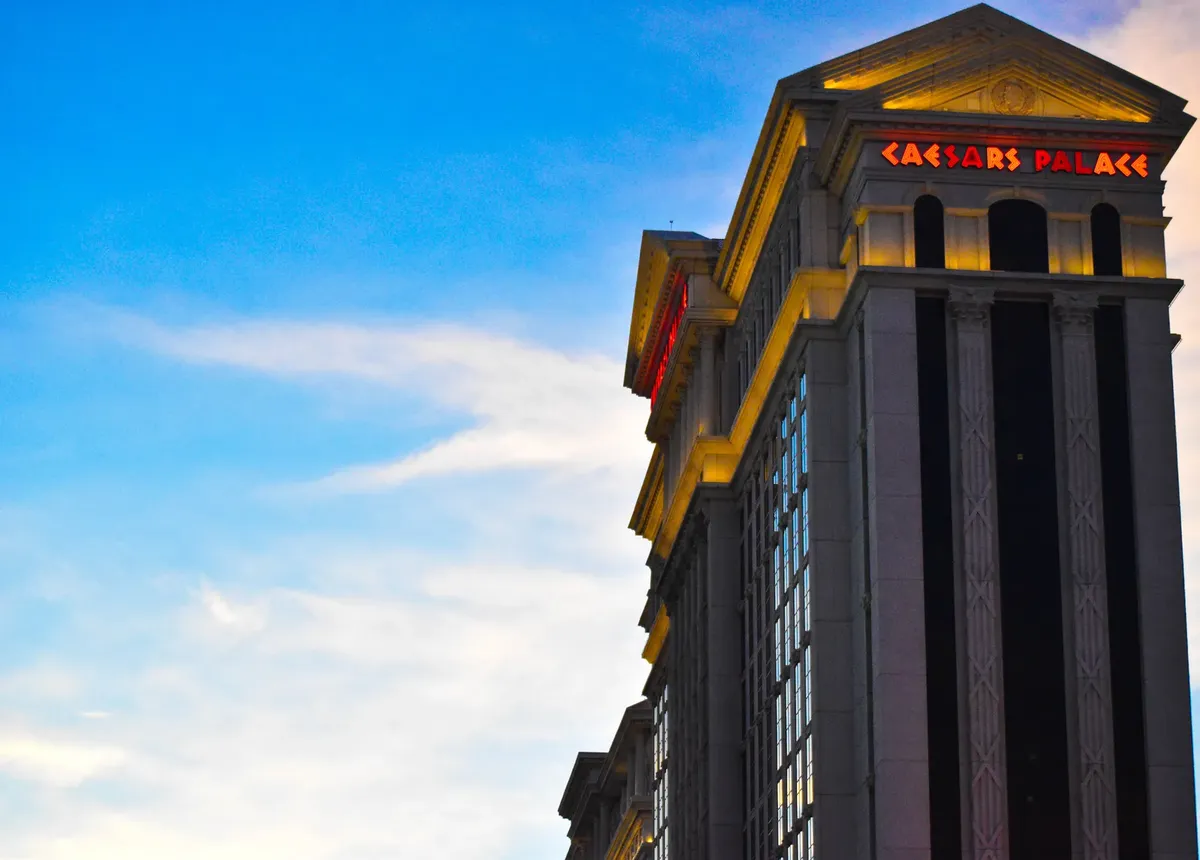
A bulldozer moves earth to make way for a new foundation in an empty lot. Large-scale redevelopments generate significant waste during the demolition of old structures. Understanding the environmental footprint is part of a modern brand's responsibility.
A brand transition in resorts might involve dealing with the waste of the previous era. For example, in broader waste management, of the remaining waste, 12% was incinerated and 79% was either sent to landfills or released into the environment as pollution.
Managing these legacy materials is a hidden cost of rebranding.
Mitigation strategies may not fully offset the ecological footprint if the scale of development exceeds natural carrying capacities. The second point in this discussion is the most detailed.
What is the relationship between scale and brand identity?
A designer sketches a new logo on a large drafting table in a quiet office. The scale of an acquisition affects the depth of the brand change. A brand transition in resorts is often a balance between honoring the past and embracing the future.
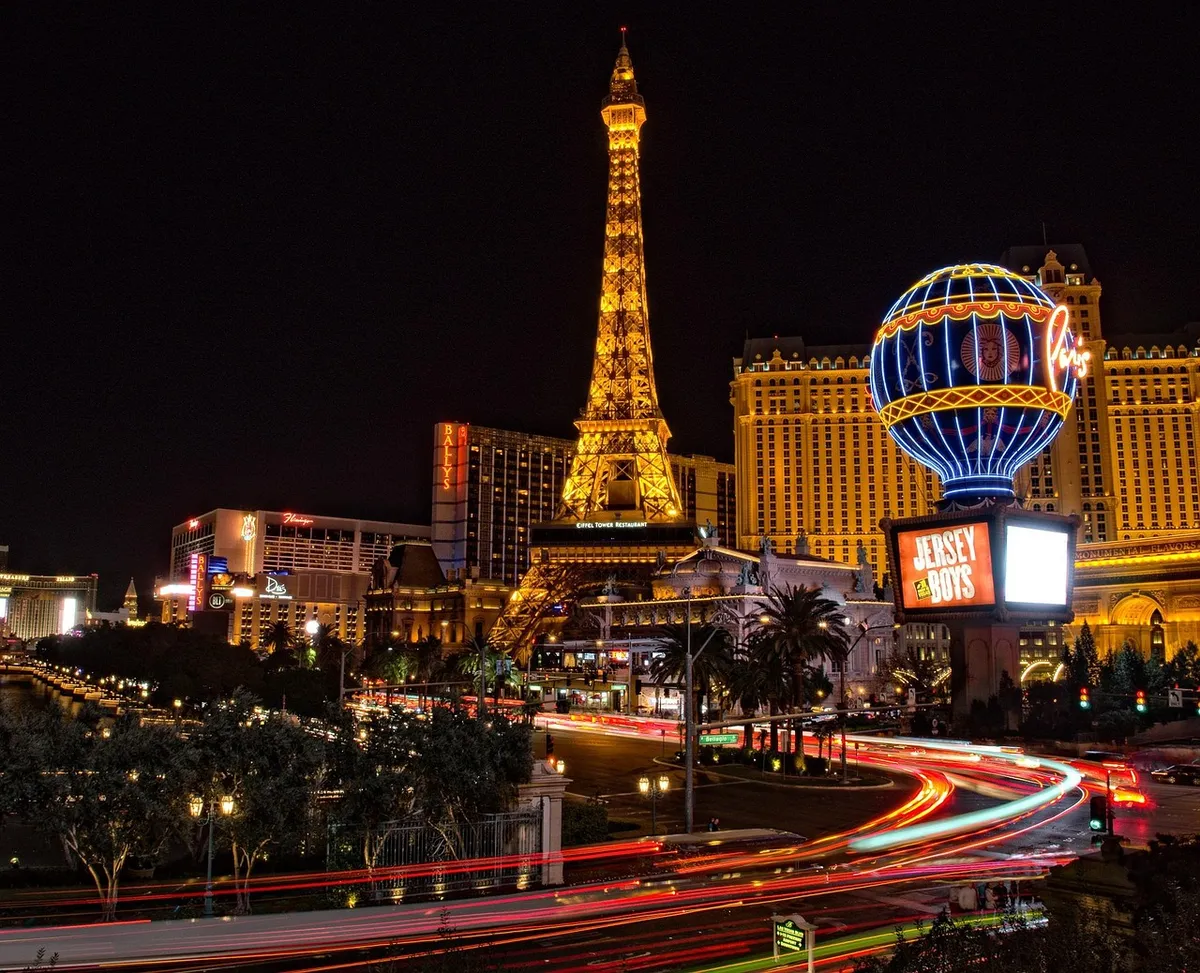
A legacy resort transformation requires balancing the old footprint with new expectations. The scale of the land and the existing structures often limits how much a brand can truly change. This tension defines the success of many redevelopment projects.
The relationship may become distorted if the brand attempts to scale beyond its core competency. In this order, the second step is the most extensive.
Resort brand evolution study
The same subject is also called Hotel brand change analysis.
This part also covers Impact of past on new resorts.
This part also covers Aladdin to Planet Hollywood.
This part also covers Resort site redevelopment trends.
Impact of past on new resorts
Related
- Integrated resort operations: Guide to regulatory hurdles
- Vegas resort evolution: How massive scale changes skyline
What considerations shape the physical footprint during a transition? 1. The existing infrastructure necessitates a complete reimagining when moving to another era. 2. Finalizing asset sales dictates the initial scope of the physical footprint change. 3. Managing vast acreage influences the potential scope of the reimagining. 4. Labor relations during the transition affect the pace of the physical changes.
The scale of land acquisition directly impacts the scope of the physical footprint, requiring careful planning for the transition. A large footprint allows for more extensive changes to the physical structure when moving to another era.
The existing structures present a constraint on how much the brand can change during this transition.
How do different property types affect the brand transition? 1. The presence of timeshare resorts introduces complexities to the brand transition. 2. Branding must address both transient guests and long-term owners in this scenario. 3. Accounting for diverse needs adds complexity to any rebranding effort during the transition. 4. A portion of the residences being vacation rentals changes the operational dynamic.
Managing a mix of hotel rooms and ownership units complicates the transition process. The need to serve both temporary visitors and property owners requires a nuanced approach to the brand transition. This dual focus shapes how the physical footprint is adapted for another era.



Comments 0