Vegas resort evolution: How massive scale changes skyline
"The neon lights of the past often flicker before they are replaced by the massive scale of modern convention centers and stadiums."
The evolution of the Las Vegas Strip involves a shift from classic, single-property charm to massive, multi-use complexes designed for global crowds. This transition typically moves from intimate gaming halls to expansive meeting spaces and potential sports venues.
Key takeaways include the growth of convention-driven tourism, the legacy of historic properties like the Tropicana, and the massive scale of modern facilities like the Venetian.
How does the Vegas resort evolution change the skyline?
A massive construction crane swings over a dusty desert lot where a new foundation is being laid. This constant movement defines the Vegas resort evolution as older footprints are repurposed for much larger capacities.
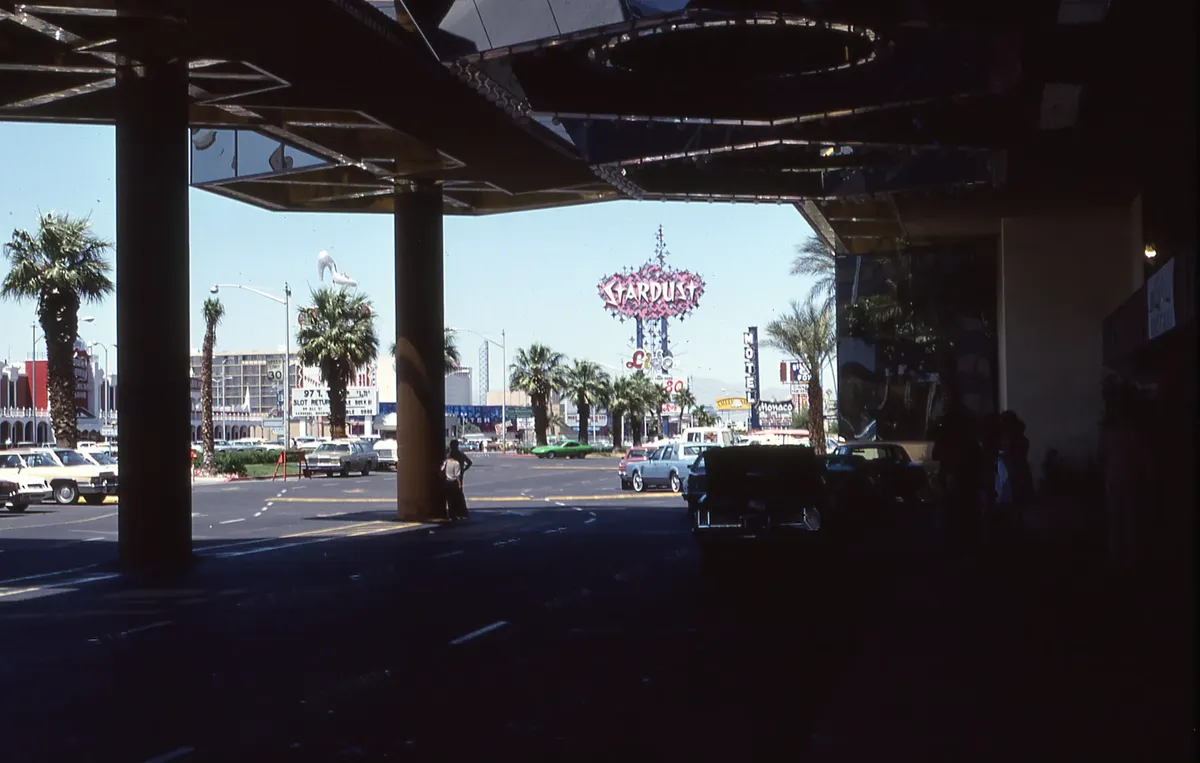
According to the Sands Expo and Convention Center, they opened the 1.2 million square foot Sands Expo and Convention Center, then the largest privately owned convention facility in the world, across from the hotel in 1990.
The scale of the city has shifted toward massive meeting and convention spaces. For example, in 1990, the Sands Expo and Convention Center opened with 1.2 million square feet, which was then the largest privately owned convention facility in the world.
This expansion allowed the area to host much larger crowds than traditional hotels could manage alone.
The landscape continues to shift as older structures face new uses. Some developers look at land once occupied by vintage hotels to build modern amenities. This constant cycle of renewal ensures the skyline remains in a state of perpetual transformation.
What does a Tropicana to modern hotel transition look like?
A worker carefully removes a vintage neon sign from a weathered facade during a late afternoon shift. This Tropicana to modern hotel transition often involves moving from pure gaming to diverse entertainment and sports-focused land use.
One notable example of this shift involves the Tropicana property, which was considered a potential site for a new stadium when the Oakland Athletics began considering a Las Vegas relocation in 2021. This illustrates how historic sites can be reimagined for modern professional sports.
The change is not just about architecture but also about the scale of the footprint. While older hotels focused on internal amenities, modern developments often look toward massive external attractions. This shift changes how visitors interact with the city.
How did the Statedeast resort change affect the local economy?
A group of business travelers walks through a wide, polished hallway toward a large conference room. Comparing the Statedeast resort change to modern developments shows how the focus has moved toward professional gatherings and massive scale.
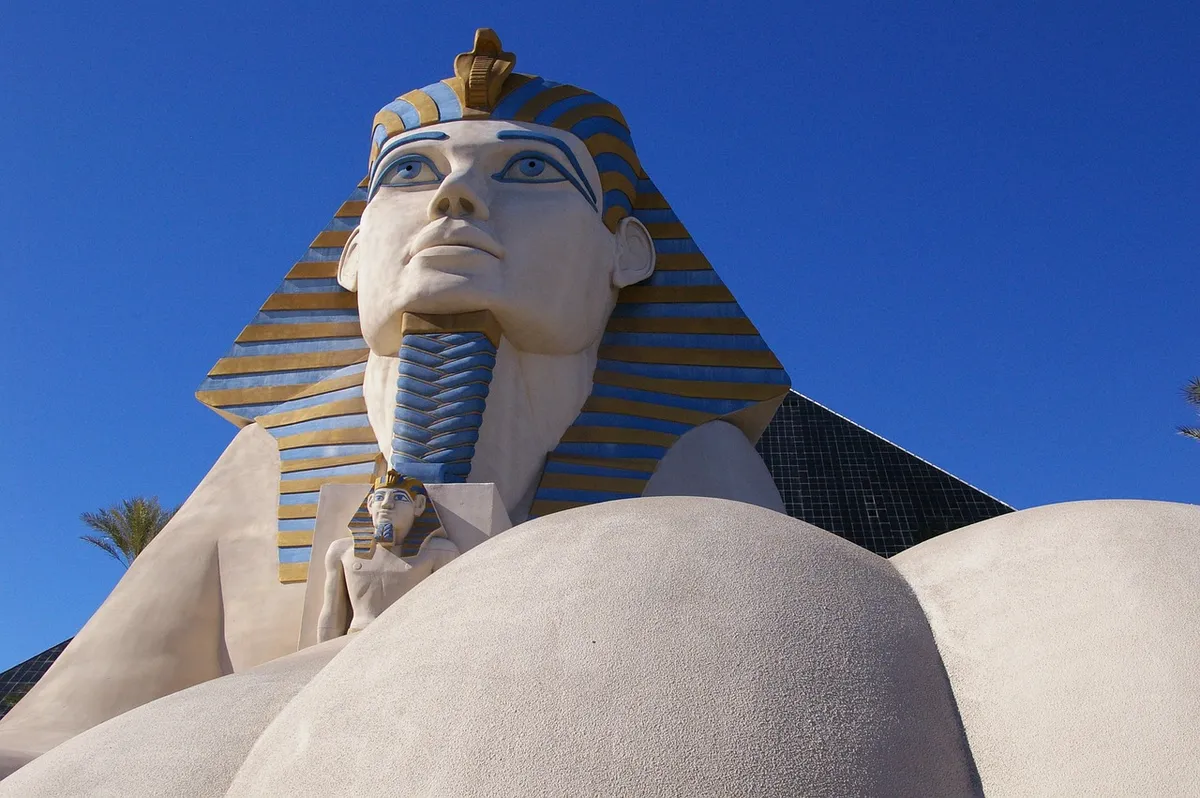
The Venetian and Palazzo represent this shift, opening with the Venetian Congress Center which offers 500,000 square feet of meeting space. This space, combined with the adjoining Sands Expo that opened in 1990, provides the infrastructure needed for global events.
These large-scale facilities drive much of the current economic activity on the Strip. By providing vast amounts of meeting space, these resorts can host thousands of people simultaneously. This capacity is a hallmark of modern hospitality.
What are the key elements of a Vegas hotel history shift?
A historian brushes dust off an old ledger while looking out at a sleek, glass-walled hotel tower. Understanding the Vegas hotel history shift requires looking at both the physical structures and the labor environments they create.
The history of these properties includes complex transitions in ownership and labor. For instance, in 2001, table game dealers at the Tropicana voted to be represented by the Transport Workers Union. This era of shifts reflects the changing social and professional landscape of the Strip.
Modern resorts also face different labor dynamics than their predecessors. In 2024, the Venetian and Palazzo approved labor contracts with the Culinary Workers Union, marking them as the last resort properties on the Strip to unionize. These shifts reflect the maturing of the local workforce.
How do we manage a resort transformation Vegas project?
An architect spreads a large blueprint across a wooden table to plan a new site layout. Managing a resort transformation Vegas project requires careful planning to integrate new technology and massive footprints into existing urban layouts.
A common approach involves a structured sequence for redevelopment:
- Evaluate the existing land use and potential for higher-density development or sports integration. 2. Secure the necessary infrastructure for massive crowds, such as expanded convention or stadium space. 3. Finalize labor and operational contracts to ensure the new facility can function within the local economy.
A final check ensures that the new scale does not overwhelm the surrounding infrastructure. This planning is essential when turning an old site into a modern hub.
What are the limitations of comparing historic and modern properties?
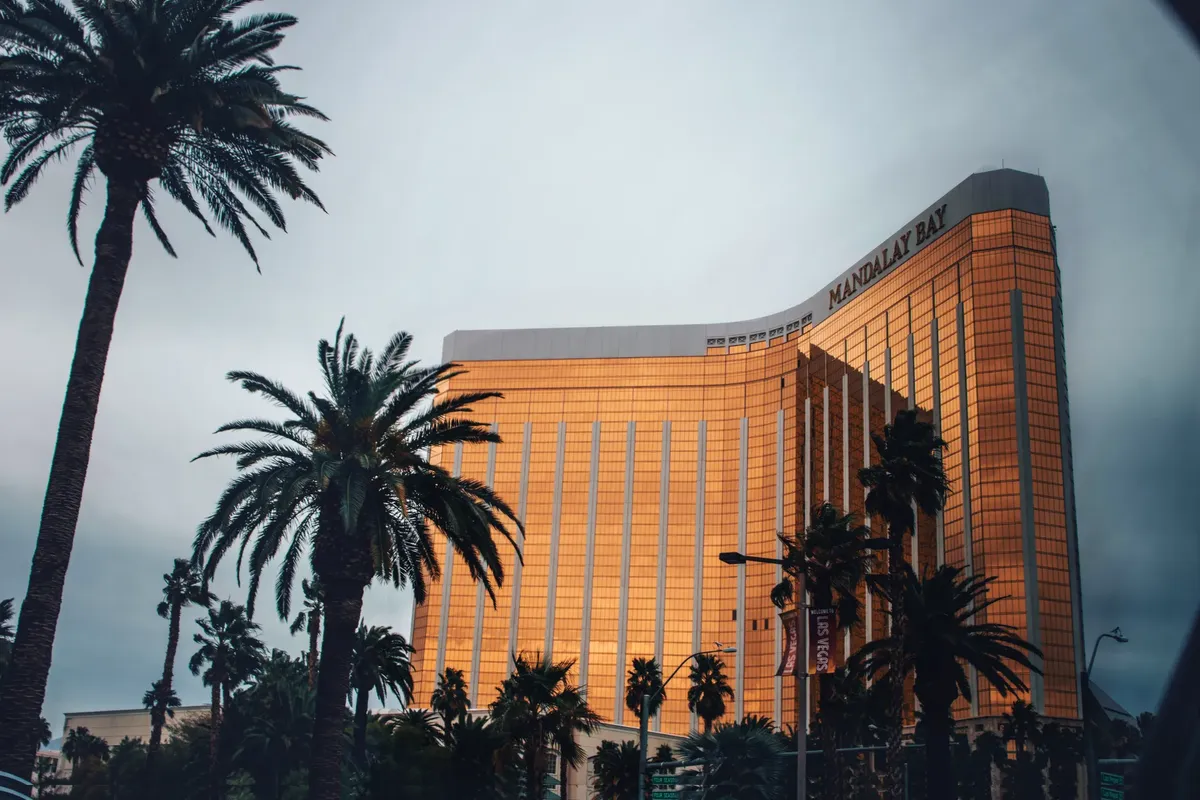
A researcher notes a discrepancy in a notebook while comparing two different eras of hotel design. A limitation of this comparison is that the scale of modern facilities, such as the 1.2 million square foot Sands Expo, makes it difficult to apply old operational models to new environments.
The transition from small-scale gaming to massive convention centers changes the very nature of hospitality. It is difficult to compare a single-purpose hotel to a multi-use complex without accounting for these massive differences in scale and purpose.
Is the Tropicana property being rebuilt?
The Oakland Athletics, a Major League Baseball team, began considering a Las Vegas relocation in 2021, with the Tropicana property as a potential site for a new stadium.
Did the Venetian and Palazzo unionize?
The Venetian and Palazzo approved labor contracts with the Culinary Workers Union in 2024, making them the last resort properties on the Strip to unionize.
The evolution of the Las Vegas Strip is a transition from specialized gaming sites to massive, multi-functional hubs. This process involves repurposing historic land for sports and large-scale conventions. The scale of these developments remains a primary driver of the city's growth.
How does the shift in focus affect the visitor experience? 1. The change from intimate gaming halls to expansive meeting spaces alters how visitors engage with the Strip environment. 2. Modern facilities encourage interaction with massive external attractions rather than solely focusing on internal amenities. 3. This shift in scale means visitors encounter environments designed for global gatherings rather than localized entertainment.
The presence of bright neon lights contrasts sharply with the polished, vast interiors of contemporary resorts. Old charm gives way to the overwhelming scope of modern complexes designed to accommodate huge numbers of people.
This difference in atmosphere shapes how tourists perceive the city's offerings.
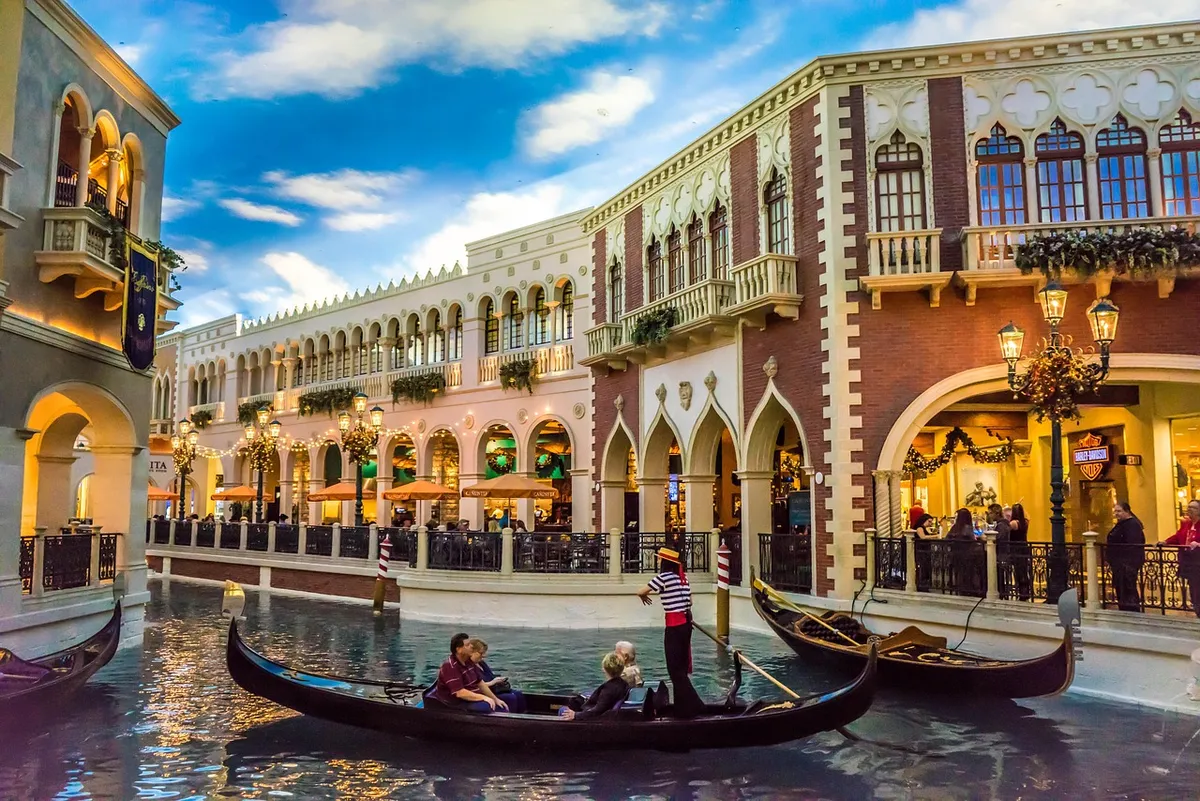
Comparing the old, smaller venues to the current massive structures highlights a change in the desired visitor interaction. Where earlier properties offered a contained experience, newer developments invite participation in large-scale events.
The legacy of historic properties still exists alongside the newest architectural statements.
What caution should developers take during redevelopment? 1. Developers must ensure that the increased scale of new construction does not strain existing urban infrastructure. 2. Integrating new technology into massive footprints requires meticulous planning during the transformation process. 3. Operational contracts must be finalized to align with the local economic framework supporting the new facility.
Careful evaluation of the existing land use is the initial step when considering redevelopment opportunities. Securing the necessary infrastructure for huge crowds, whether for conventions or sports, follows this assessment.
This structured approach prevents unforeseen complications during the build-out phase.
Related


Comments 0