Low Season Travel: Unlock 50% Off Luxury Resorts & Serenity
"The best time to visit a luxury resort isn't when the sun is brightest, but when the crowds are thinnest and the service is most personal."
Traveling during the peak season often feels like a battle for a lounge chair or a reservation at a decent restaurant. By choosing the shoulder or low season, you trade the frantic energy of mass tourism for quiet luxury and significant cost savings.
Key Takeaways * Guaranteed Tranquility: Experience the privacy and serenity that high-occupancy periods make impossible. * Unbeatable Value: Access deep discounts and exclusive packages that vanish during the summer and holiday rushes.
* Enhanced Service: Benefit from a higher staff-to-guest ratio and more personalized attention.

Why Choose Off-Season? The Value Proposition of Shoulder/Low Season Travel
The sun hits the white sand of a private villa at 10:00 AM, and for the first time in months, you don't hear the sound of a neighboring family's splashing or a crowded buffet line. You sit on the deck with a book, realizing the entire stretch of coastline feels like it belongs to you.
The most immediate benefit of traveling during the low season is the pricing advantage. During peak periods, luxury resorts often implement surge pricing that can double or triple the base rate. In the off-season, you can often secure the same five-star room for 30% to 50% less.
This isn't just about a lower nightly rate; it's about the ability to afford the "extras" that make a trip memorable, such as private dinners on the beach or extended spa treatments.
The crowd factor is the second major shift. High season is characterized by a sense of competition—who gets the best view, the best table, or the first seat at the pool. In the low season, the atmosphere shifts from frantic to relaxed.
The quietude allows for a deeper connection with the destination and a slower, more intentional pace of life.
Service quality also tends to rise when occupancy drops. When a resort is at 100% capacity, staff are often in "survival mode," focusing on logistics and turnover. When occupancy dips to 50%, the staff can shift their focus toward personalized guest experiences.
You aren't just another room number; you become a guest they can truly cater to.
To make the most of this, timing is everything. The best booking window is usually three to six months before the shoulder season begins. This allows you to catch the first wave of promotional rates before the "quiet" season becomes too predictable.
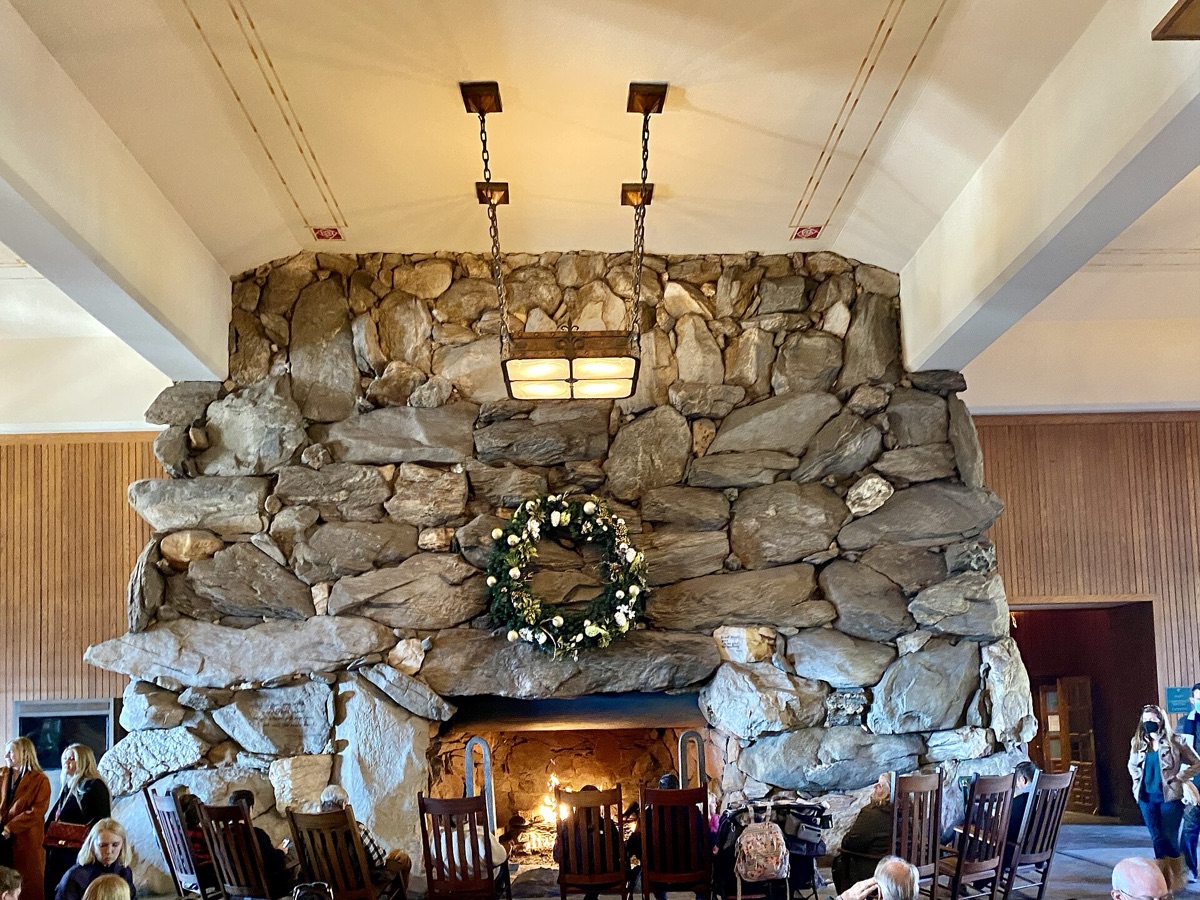
How can I tailor my trip for the perfect fit? A honeymoon couple walks through a lush tropical garden, and the only sound is the distant roll of the ocean and the rustle of palm leaves. There are no tour groups passing through, and the staff greets them by name at the entrance.
Choosing the right archetype for your trip is essential to ensure the season works in your favor.
For the Honeymooner Seclusion is the ultimate luxury. Destinations like the Maldives or certain remote islands in the Seychelles offer incredible value during their rainy seasons.
While you might encounter a tropical shower, the privacy and the ability to secure a top-tier overwater villa at a fraction of the peak price make it a romantic win.
For the Family Traveler Families often find the best value in destinations like Bali or parts of Southeast Asia during the shoulder season. The resorts often run "Kids Stay Free" or extended family suite promotions to fill rooms.
The slower pace is much easier on children, and you won't have to fight for space at the kids' club or the pool.
For the Value Seeker If your goal is to experience a world-class property that is usually out of reach, the "hidden gem" approach is best.
Look for luxury resorts in the Caribbean during the late summer or early autumn (hurricane season considerations notwithstanding) or Mediterranean resorts in the late spring. You can often book a Presidential Suite for the price of a standard room during the peak season.
Activity Match Always align your activities with the season. If you are a diver, the low season in certain tropical regions might offer better visibility and fewer boats in the water. If you prefer lounging and reading, the quietest months are your best friend.
| Trip Type | Primary Benefit | Best Strategy |
|---|---|---|
| Honeymoon | Privacy & Romance | Focus on remote, overwater villas |
| Family | Space & Savings | Look for multi-bedroom villa packages |
| Value Seeker | Luxury Upgrades | Target high-end resorts in shoulder seasons |
Where are the best spots for low-season bliss? The scent of salt air and blooming jasmine fills the air as a private boat pulls up to a wooden pier, the water so clear you can see the shadows of fish on the sandy bottom. There isn't a single other boat in sight.
The Maldives: The Ultimate Romantic Retreat The Maldives is a perennial favorite, but visiting during the rainy season (typically May to October) can be a revelation. While you may see intermittent rain, the temperatures remain warm and the landscapes are vibrantly green.
The primary benefit is the ability to book world-renowned luxury resorts at significantly lower rates. For couples, the solitude is unmatched, and the ability to secure a private villa with a personal butler becomes much more attainable.
Southeast Asia (Bali and Thailand): The Family and Culture Hub In places like Bali, the shoulder season offers a perfect balance. You avoid the massive crowds of the July/August peak while still enjoying pleasant weather.
This is an ideal time for families to explore local temples and markets without the overwhelming heat and humidity of the height of summer. The resorts often provide robust kids' programming and family-oriented packages during these months to maintain occupancy.
The Caribbean: The Luxury Value Play The Caribbean's shoulder season—often during the late summer and early autumn—is when the most aggressive promotions occur. While weather patterns require more careful planning and travel insurance is a must, the value proposition is staggering.
You can often find all-inclusive luxury packages that include flights and transfers, providing a seamless and highly affordable way to experience a premium tropical getaway.
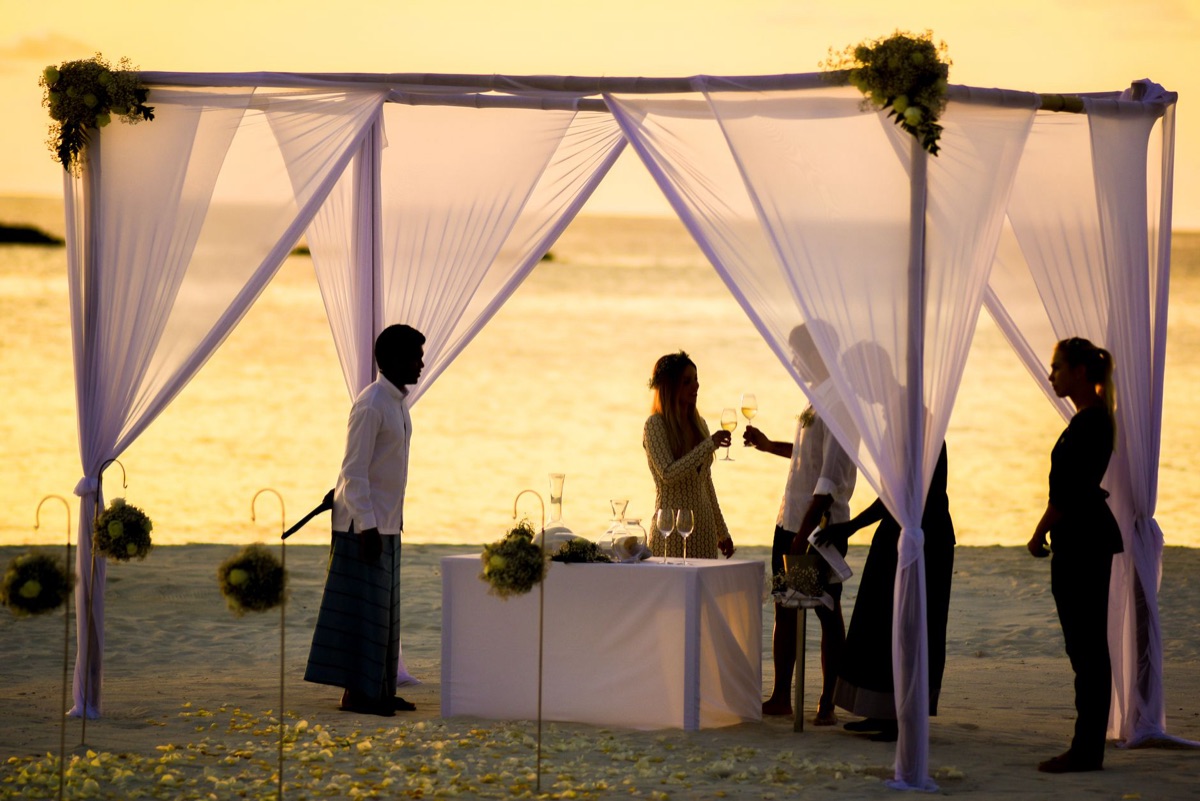
Unlocking Exclusive Deals: Navigating Off-Season Promotions
A waiter places a chilled glass of champagne on a linen-covered table, and the hostess asks if you would like to move to the terrace for a more private view. There is no wait time, and the service is seamless.
When traveling in the low season, you aren't just looking for a lower price; you are looking for the right *kind* of deal.
Package vs. A La Carte During the off-season, resorts often move away from standard room-only rates and toward value-added packages.
Instead of a simple discount, you might find a "Stay 5, Pay 4" deal or packages that include complimentary breakfast, daily spa credits, or even private excursions. These packages often provide more value than a straight price cut because they enhance the overall experience.
Booking Perks Because occupancy is lower, hotel managers have more flexibility. This is the time to ask for—or look for—complimentary upgrades. A standard room might become a junior suite just because the hotel wants to ensure a satisfied guest.
You may also find "extended stay" promotions where the nightly rate drops significantly if you book seven nights or more.
Booking Strategy 1. Monitor Direct Websites: Luxury resorts often reserve their best "secret" rates for their own direct booking engines to avoid third-party commissions. 2.
Use Luxury Travel Agents: For high-end trips, an agent often has access to "amenity-heavy" bookings (like free breakfast and late checkout) that aren't visible to the general public. 3. Be Flexible with Dates: Avoid weekends and public holidays.
Mid-week stays during the low season are where the most dramatic price drops occur.
Beyond the Beach: Enhancing Your Low-Season Journey
The local market is quiet and colorful, and the vendor greets you with a genuine smile rather than a rushed sales pitch. You spend an hour learning about the spices and fruits, feeling like a guest rather than a tourist.
One of the greatest advantages of the low season is the ability to actually *see* the destination.
Local Exploration When the resorts are quiet, you have the time and energy to venture outward. Instead of being tethered to a crowded pool, you can spend your mornings exploring local villages, hiking through nearby nature preserves, or visiting museums.
The lack of crowds makes local transit and walking tours much more pleasant and authentic.
Activity Focus Low season often coincides with specific natural phenomena. For example, certain regions might have better whale watching, bird watching, or clearer waters for snorkeling during the shoulder months.
These niche activities are often much more crowded and rushed during the peak season.
Travel Logistics Traveling during the off-peak window usually means easier logistics. Flights are often more frequent and less likely to be delayed due to overbooking.
Transfers from airports to resorts are punctual, and you won't find yourself waiting in long lines at check-in or at the local car rental agencies. A Note on Trade-offs It is important to recognize that the low season comes with caveats.
Weather can be unpredictable, and certain amenities (like a specific outdoor pool or a seasonal excursion) might be closed. Always research the specific weather patterns and local seasonality of your destination before booking.




Comments 0