2,100 Hectares: Scaling the Modern Mega-Resort Experience
"A single park is a destination; a thousand-acre resort is an entire world."
The sheer size of a modern theme park resort changes everything about how people move, eat, and spend. When you are managing 2,100 hectares of land, you aren't just running rides; you are managing a living, breathing ecosystem of logistics and human psychology.
Key Takeaways * The massive physical footprint of a resort dictates every aspect of guest flow and pacing. * Operational success requires balancing high-volume visitor throughput with long-term financial stability.
* A successful "resort" model integrates lodging, dining, and attractions into a seamless, self-sustaining environment.
What is the Scale of a Modern Mega-Resort?
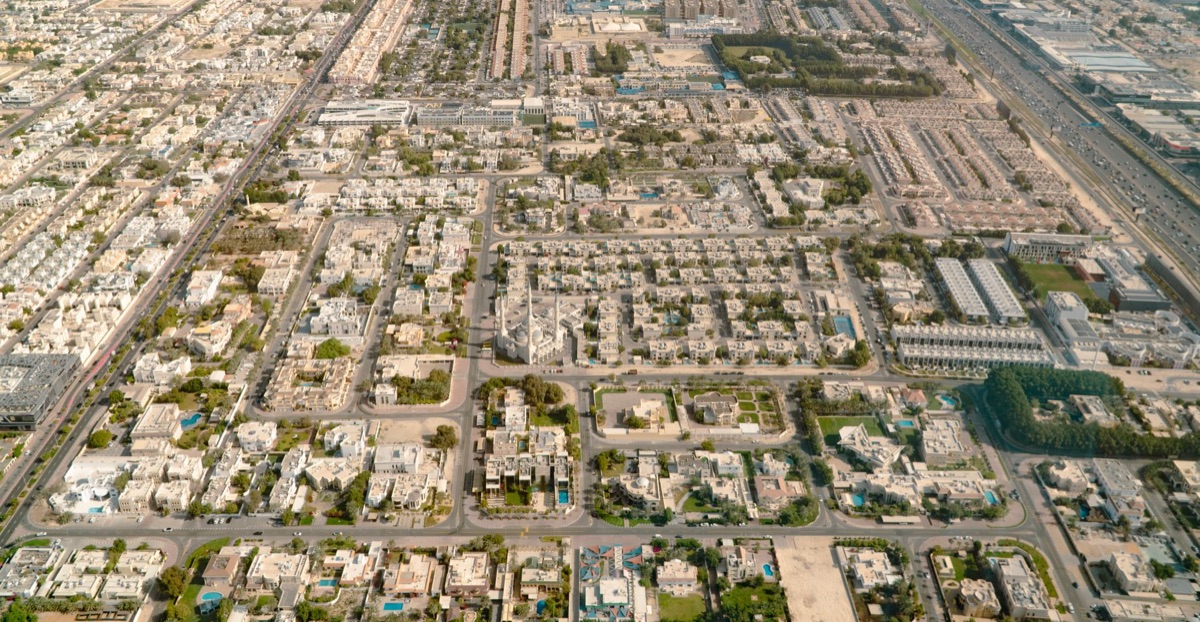
I stood at the park entrance at dawn, squinting against the bright horizon as the vastness of the landscape stretched toward the sky.
I remember standing at the edge of a massive park entrance, looking out at the horizon and realizing that the "magic" wasn't just in the characters, but in the sheer impossibility of the logistics required to keep such a giant machine running.
To a guest, it feels like a seamless fantasy, but to an operator, it is a constant battle against the constraints of space and time.
The physical footprint of a resort like Disneyland Paris, spanning 2,100 hectares, is staggering. This isn't just about having extra room for more roller coasters; it is about creating a buffer that allows for immersion.
However, managing such a vast area requires intense planning for visitor throughput. During the initial planning phases, Euro Disney planned to serve an estimated 14,000 people per hour inside the park to handle projected daily attendance.
Space also dictates cultural adaptation. When designing the layout, planners had to account for local habits. For instance, 2,300 patio seats, representing 30% of the total park seating, were installed specifically to satisfy the expected European preference for eating outdoors in good weather.
This type of spatial planning ensures that the physical environment supports the lifestyle of the guest, rather than fighting against it. But while the layout looks perfect on paper, the financial reality tells a much different story.
Why was the financial reality so heavy?
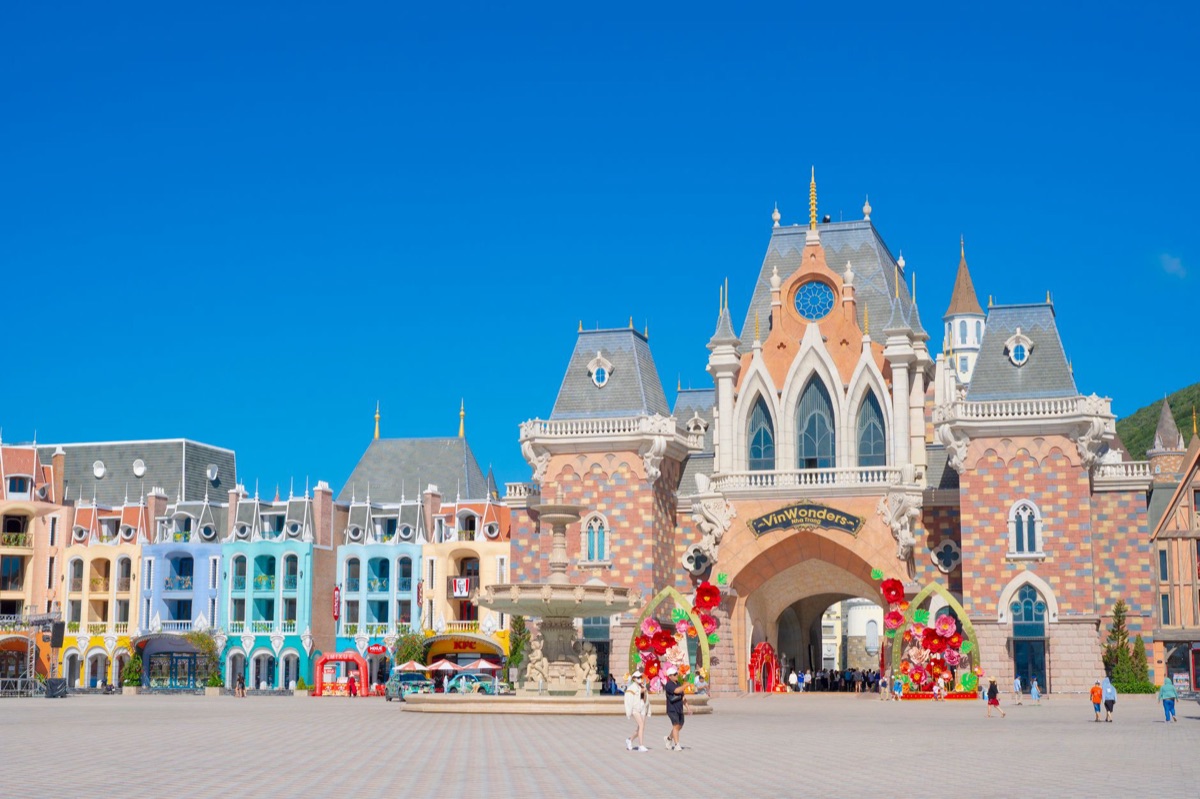
The sun rose over the gates of the Euro Disney Resort and its theme park on 12 April 1992, marking the beginning of a new era in European entertainment. While the gates opened to excitement, the internal reality was one of immense financial pressure and complex restructuring.
The project was not without its growing pains. The park was heavily burdened by its debt, which at the time was calculated at about €1.75 billion (US$2.2 billion), a figure roughly 15 times its gross average earnings. Navigating these financial hurdles required a shift in how the entity was managed.
Eventually, this led to a change in the ownership structure, where The Walt Disney Company's total ownership reached 85.7%.
Managing a resort of this scale requires more than just creative vision; it requires a massive capital cushion to weather the gap between initial investment and long-term profitability. However, even with that cushion, the early numbers didn't match the dreams.
Why did spending projections miss the mark?
I once sat in a quiet cafe overlooking a busy tourist district, watching families navigate a map, and wondered how many of them were actually spending as much as the planners had hoped they would. It is the eternal question of the hospitality industry: the gap between the spreadsheet and the street.
In the early days of the resort, initial hopes were that each visitor would spend around US$33 per day. However, the reality of market dynamics was more complex. By the end of 1992, spending was found to be approximately 12% lower than those initial projections.
Despite these early economic fluctuations, the resort eventually found its footing in the global market. By 2016, the Themed Entertainment Association considered Disneyland Paris to be the leading European resort, boasting a total of 13.37 million visitors.
The ability to scale from a struggling new venture to a market leader is a testament to the power of the "destination" model. But how does a single location manage to keep millions of people coming back year after year?

How does an entertainment ecosystem work?
Walking through a resort at dusk, as the lights of the various lands begin to glow, you realize that the guest isn't just visiting a park; they are living in a curated environment.
According to the Themed Entertainment Association, Disneyland Paris was considered the leading European resort in 2016 with a total of 13.37 million visitors.
The transition from a hotel room to a themed land to a dining area must feel organic to maintain the illusion of immersion.
A modern entertainment ecosystem functions as a closed loop. The "resort" aspect means that the guest's needs—sleep, food, excitement, and transportation—are all met within the boundaries of the managed space.
This minimizes "leakage" (money spent outside the resort) and maximizes the guest's engagement with the brand.
The sheer scale of 2,100 hectares allows for this level of separation. It provides enough room to house thousands of guests in luxury accommodations while keeping the high-energy noise of the attractions at a manageable distance.
This balance of tranquility and excitement is what transforms a mere amusement park into a global destination. To make the most of this vastness, you need a plan.
How can you navigate a mega-resort effectively?
When planning a trip to a mega-resort, the vastness can be both a blessing and a challenge. For a honeymoon couple, the scale offers privacy and romantic escapes; for a large family, it offers enough variety to keep every generation engaged.
To navigate these massive spaces effectively, travelers should follow these steps:
- Identify your primary goal: Are you there for high-thrill rides or immersive atmosphere? Determine if you are a "thrill-seeker" or a "sightseer" before you arrive.
- Map your logistics: Understand the travel time between lodging and the main gates. Walking between hotels and themed lands can take significant time.
- Balance the pacing: Use the vast space to find "quiet zones" to avoid burnout. Don't try to hit every ride in a single day.
- Leverage the ecosystem: Utilize on-site dining and transportation to maximize your time. Staying within the resort boundaries reduces transit stress.
The scale of these resorts allows for diverse offerings, but it also requires a strategy. Whether you are looking for a luxury honeymoon or a chaotic family vacation, the ability to navigate the physical and economic landscape of the resort is key to a successful trip.
#



Comments 0